FEATURED
DEEP DIVE12 MIN READ
Harness Engineering Is the Product: What 11 Production Coding Agents Actually Share
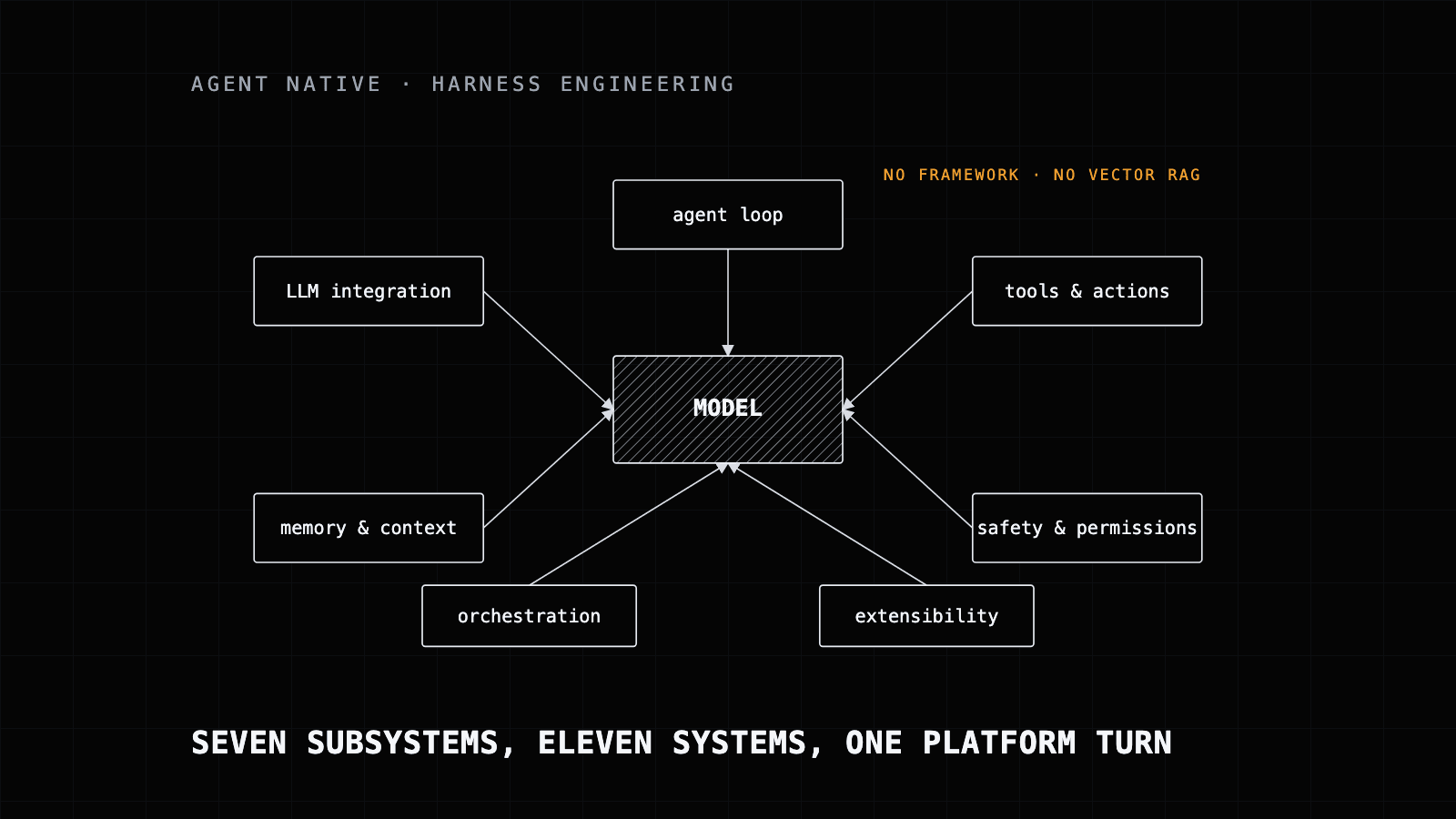
The harness turned from tool into platform.
SEP 20, 2026•DEEP-DIVE
Agent Native: find the AI engineering roles you fit and learn the production skills they ask for.
Membership is €129 a year or €14.99 a month, cancel anytime.
The harness turned from tool into platform.
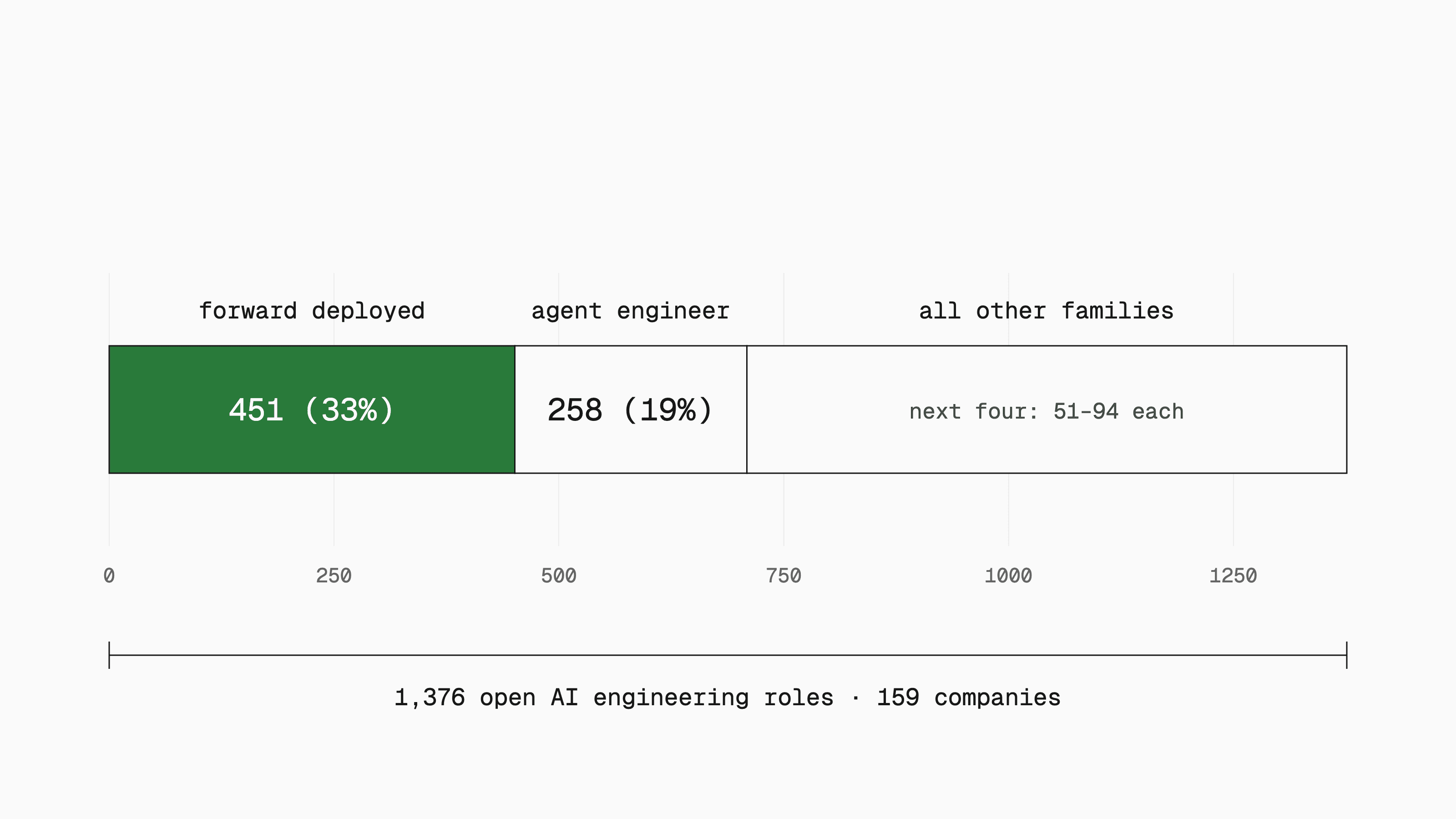
We read 1,376 AI engineering job ads at 159 AI companies. Forward deployed roles lead, experience matters more than degrees, and evals are named more often than frameworks.
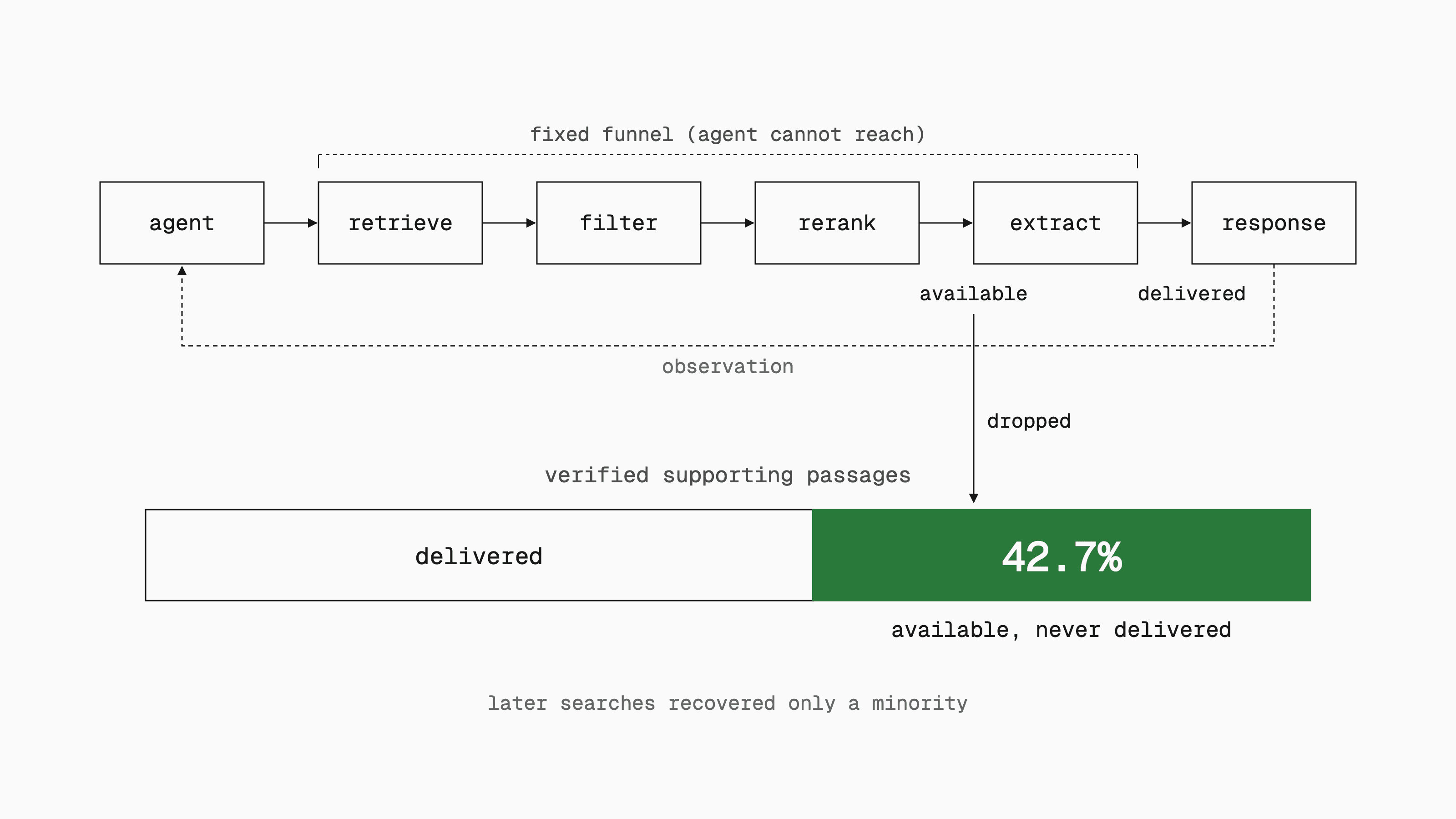
42.7% of verified supporting passages reached extraction but never reached the agent. PSA swaps search(query) for small programs over a persistent candidate pool.
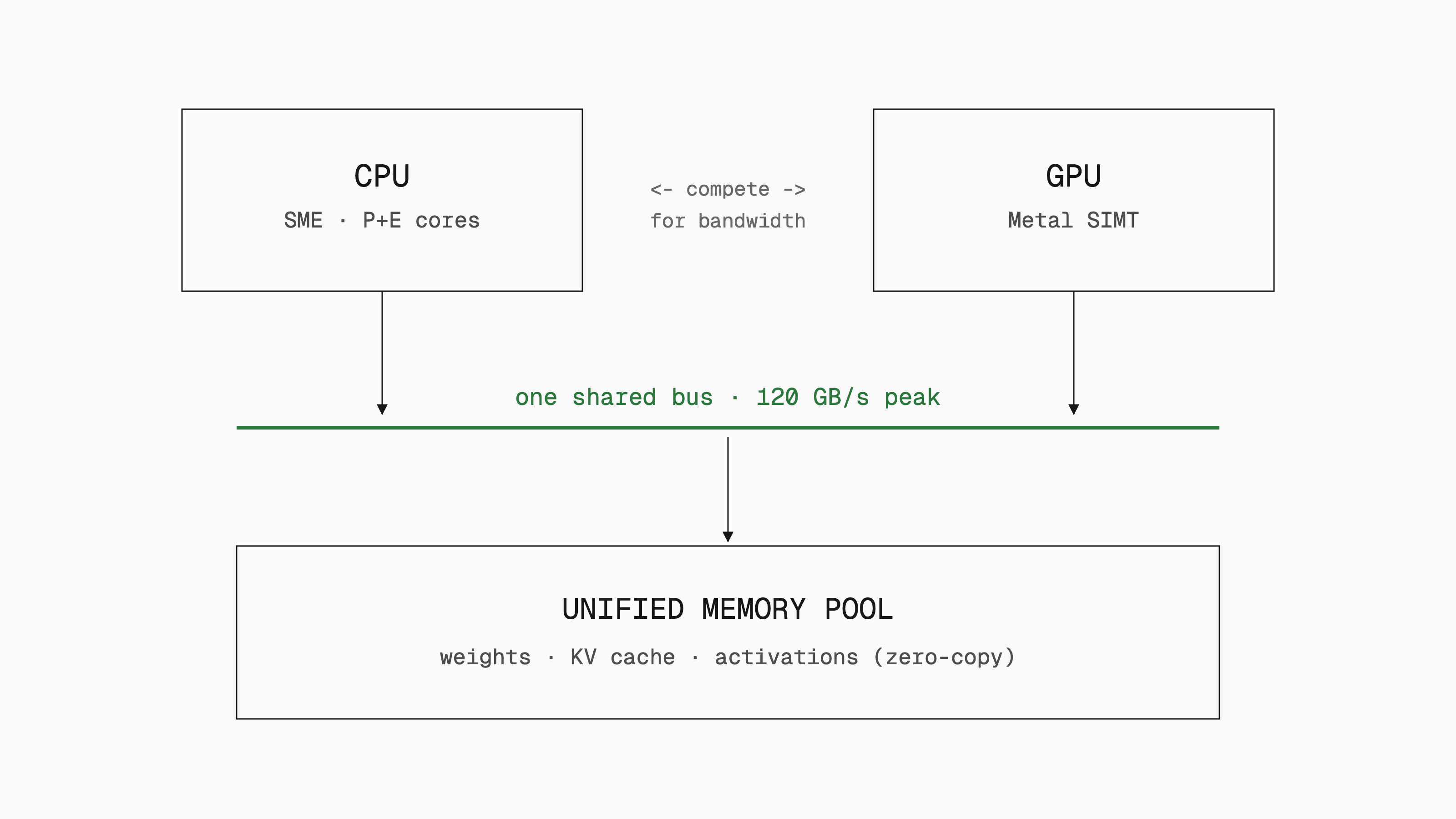
EdgeAgent (ASPLOS '27) shows why local multi-agent stacks stall on Apple silicon, and how UMA-aware execution, per-agent draft budgets and suspend-and-yield reach 1.77x.
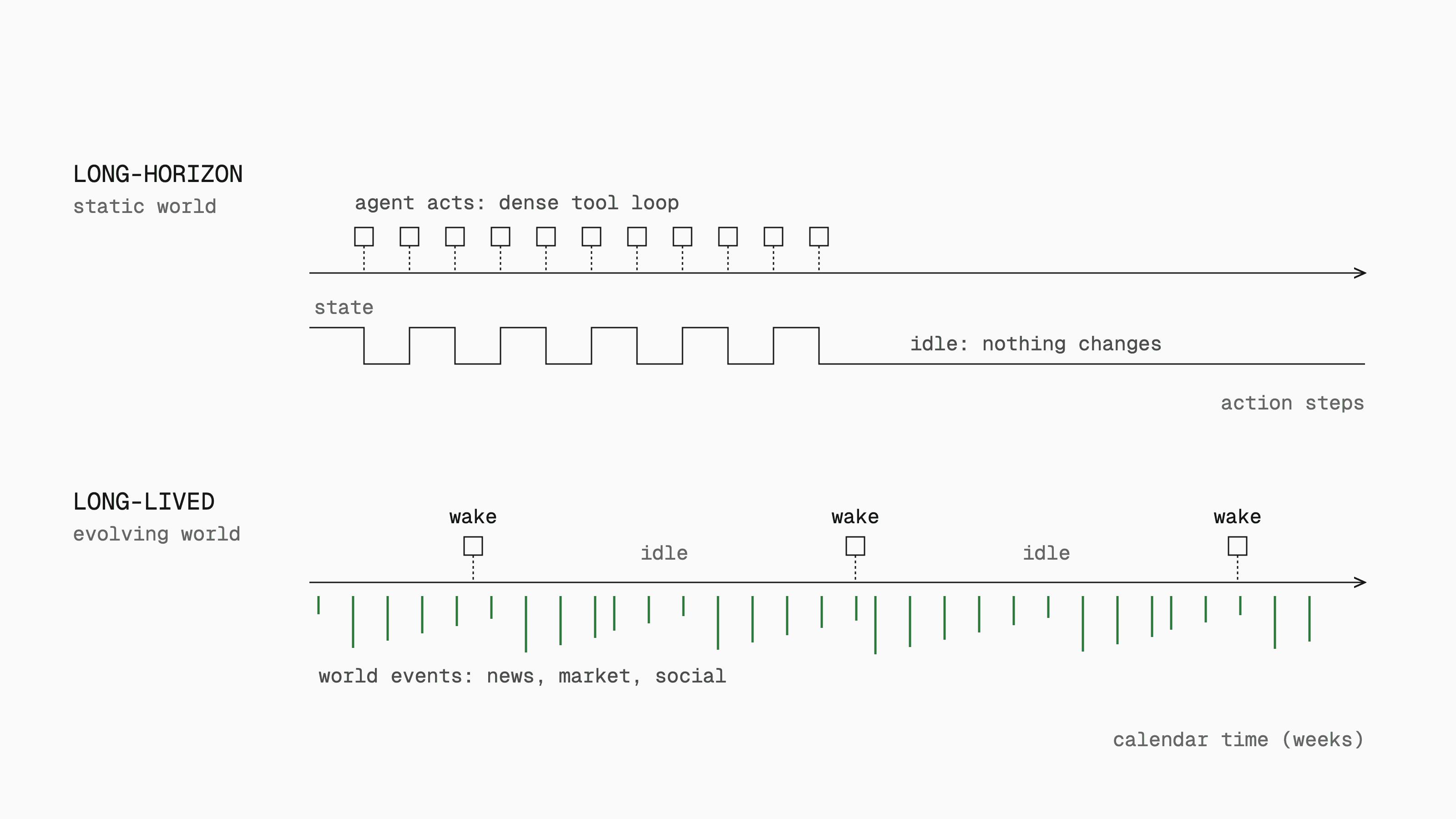
ReLiveGym replays weeks of real news, market and social streams to test long-lived agents. Its main finding is that when an agent wakes up is a harness-design choice in its own right.
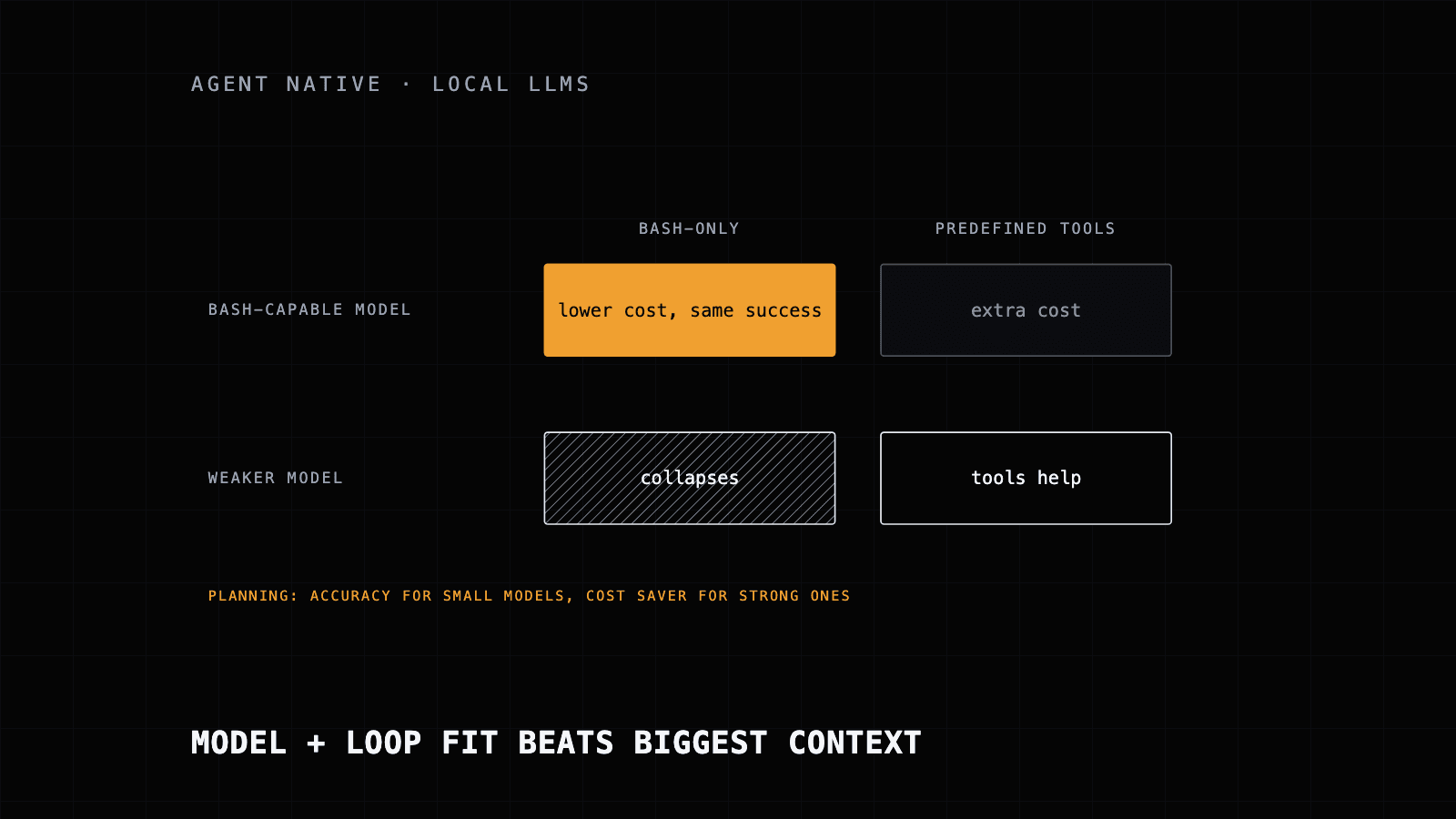
A controlled study across four models and two benchmarks found that planning, tools and context management are conditional on the model. For a local agent, where the model is whatever your hardware can run, that means fitting the loop to the model instead of the model to a loop you copied.
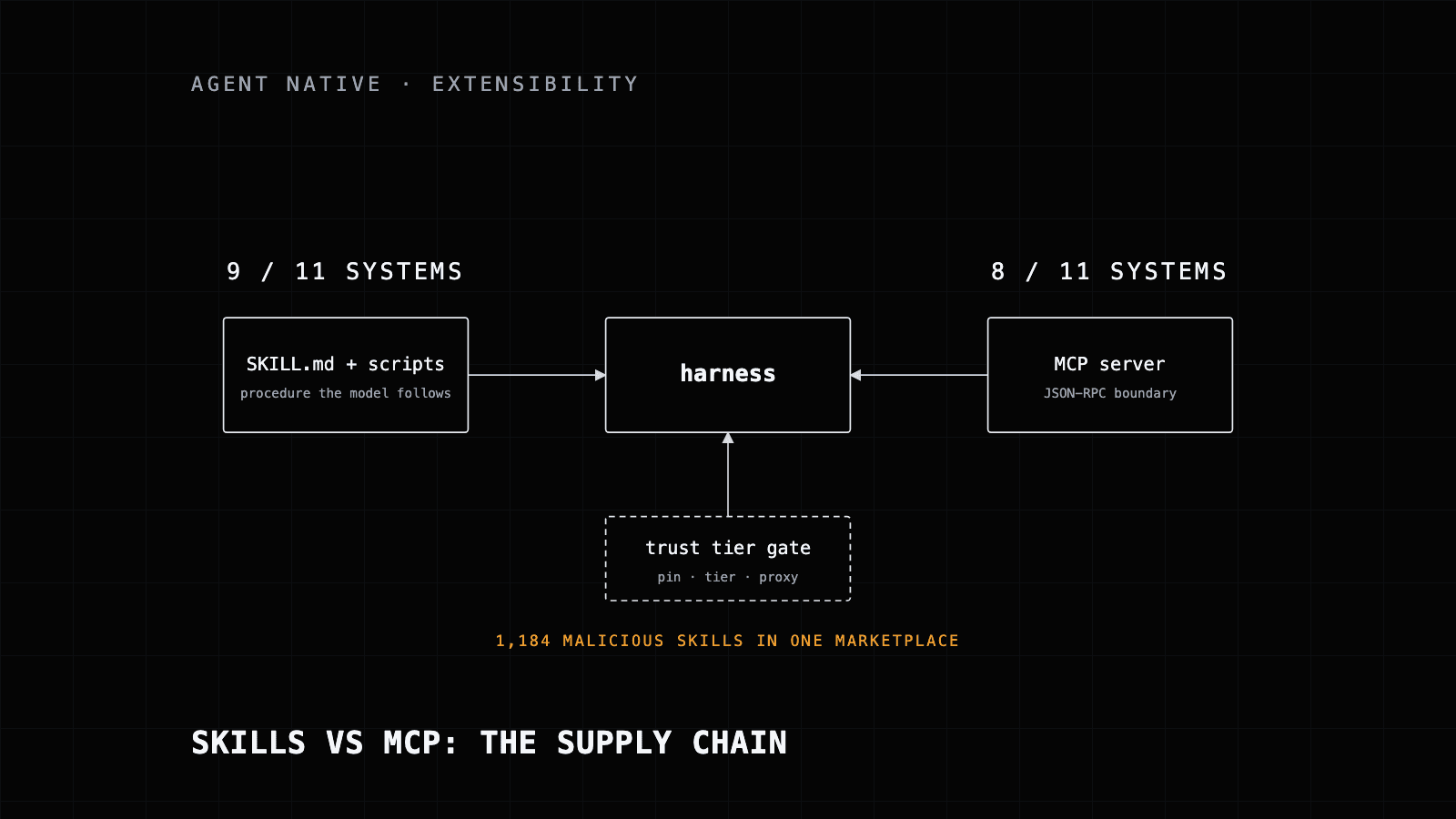
Nine of eleven production coding harnesses ship skills and eight ship MCP. Skills won on cost, MCP kept its place where there is a boundary, and the security story behind skills is a year behind the adoption.
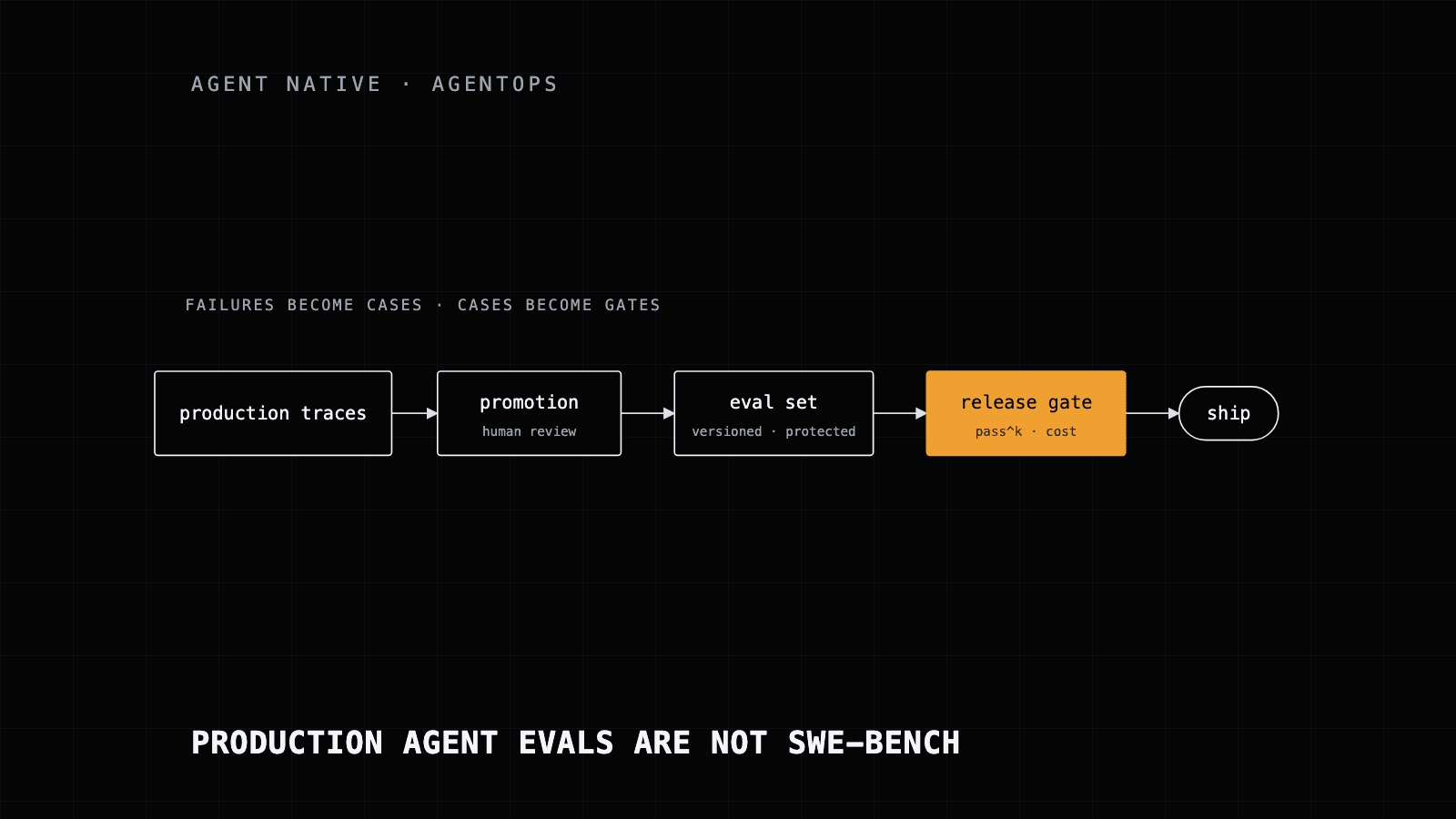
A leaderboard score tells you what a model can do once on someone else's tasks. A release gate tells you whether your agent still does your task every time. They are different instruments, and most teams only own the first.
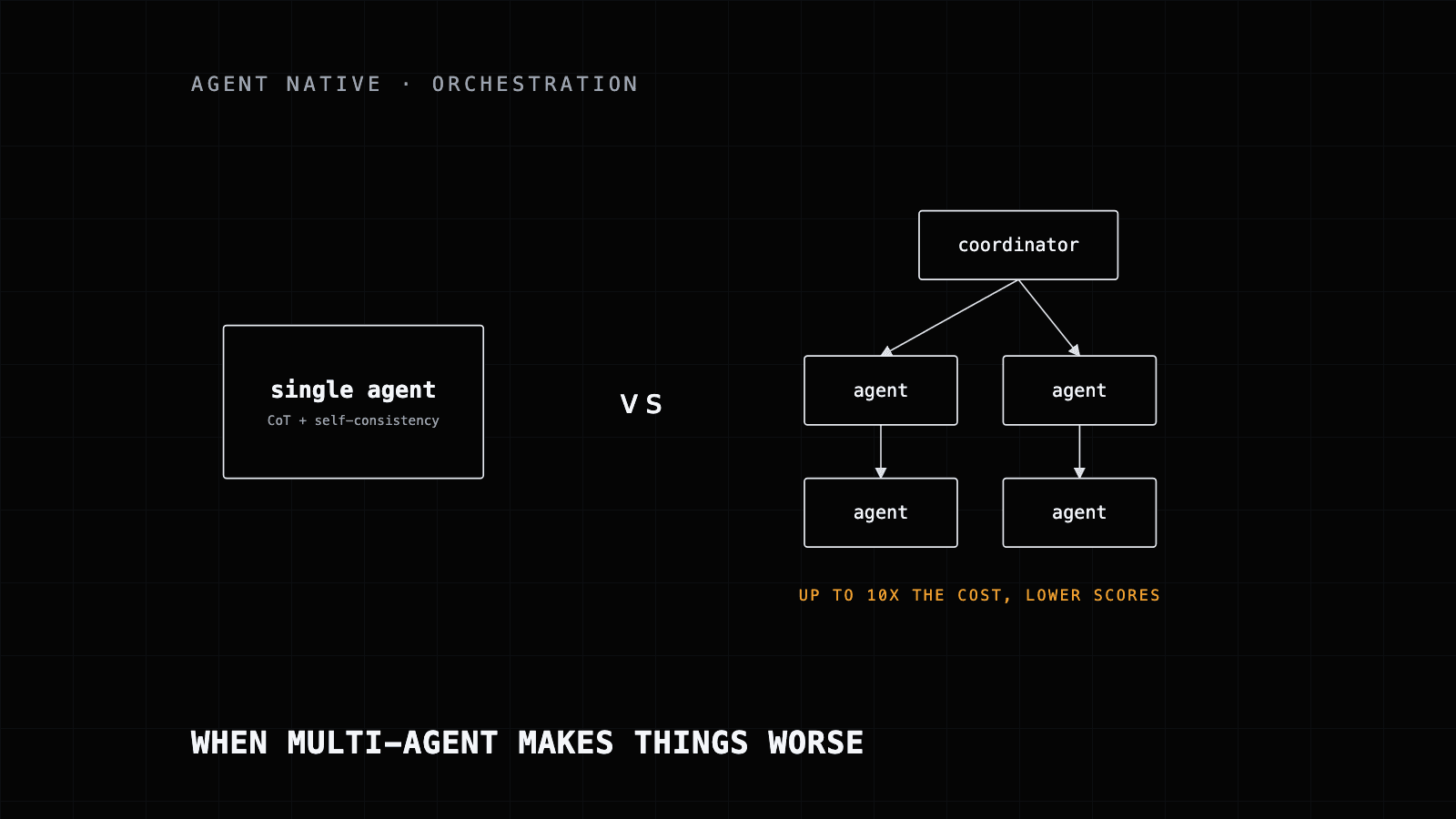
An ICML 2026 paper found automatically generated multi-agent systems consistently underperform a single agent with self-consistency, at up to ten times the cost. Anthropic still predicts agent teams. The difference between the two is whether a human designed the structure for a reason.
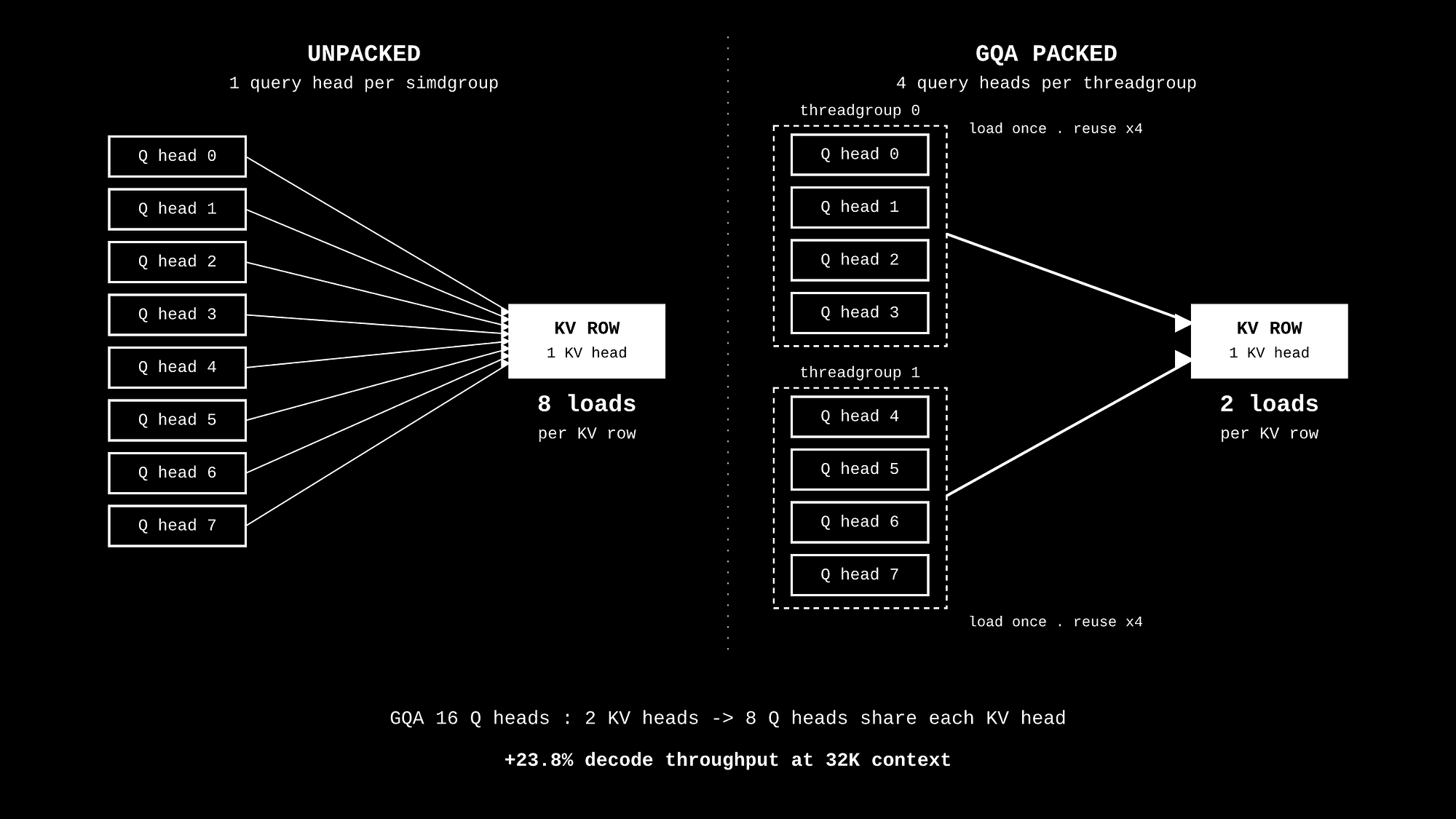
Comprehensive technical reference for deploying, optimizing, and productionizing local LLMs
BOOK
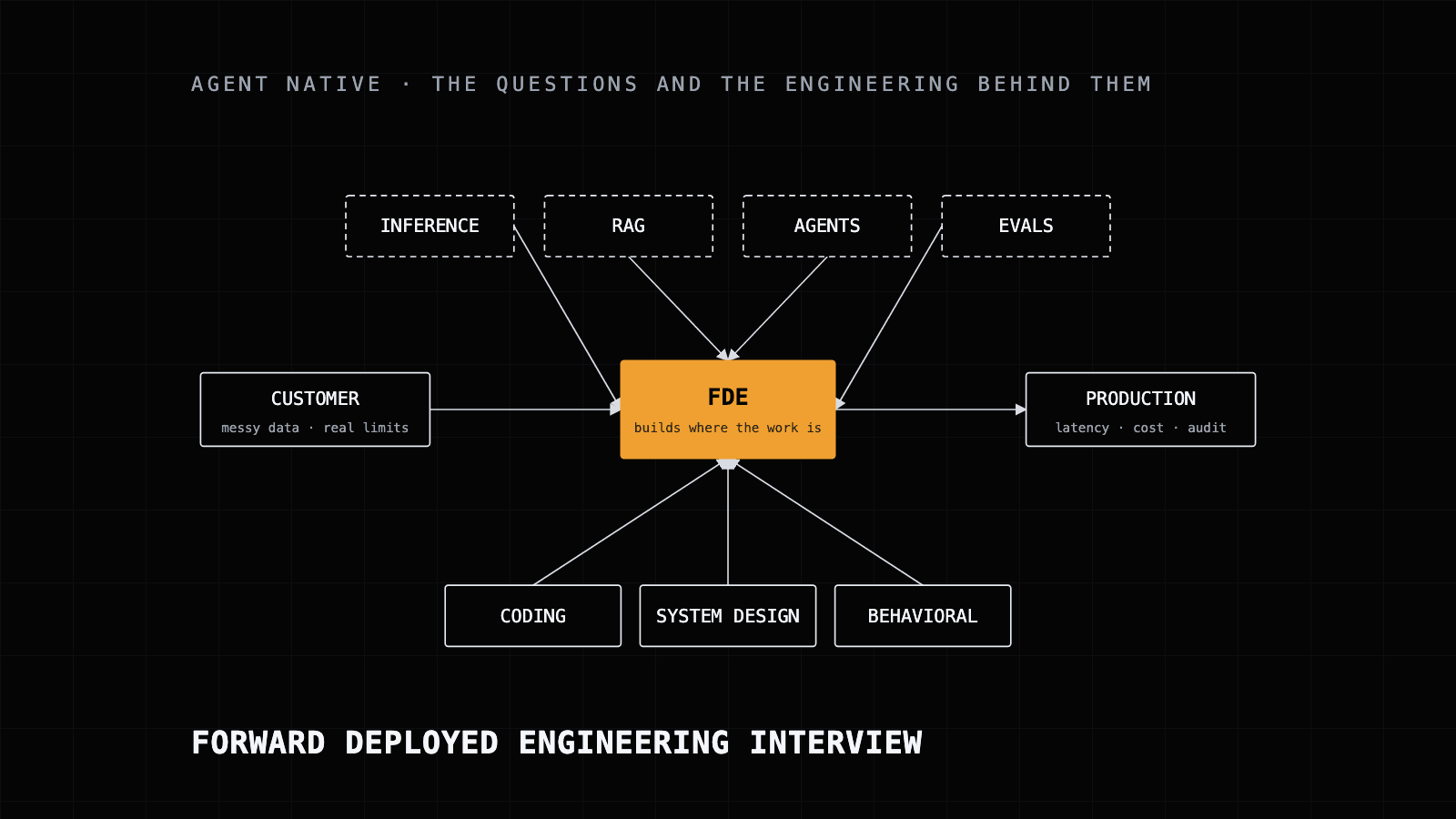
The forward deployed engineer and applied AI interview, question by question, with the engineering behind every answer: inference, RAG, agents, MCP and voice, guardrails and responsible AI, evaluation, the coding round, system design and customer cases, and the behavioral round
BOOK
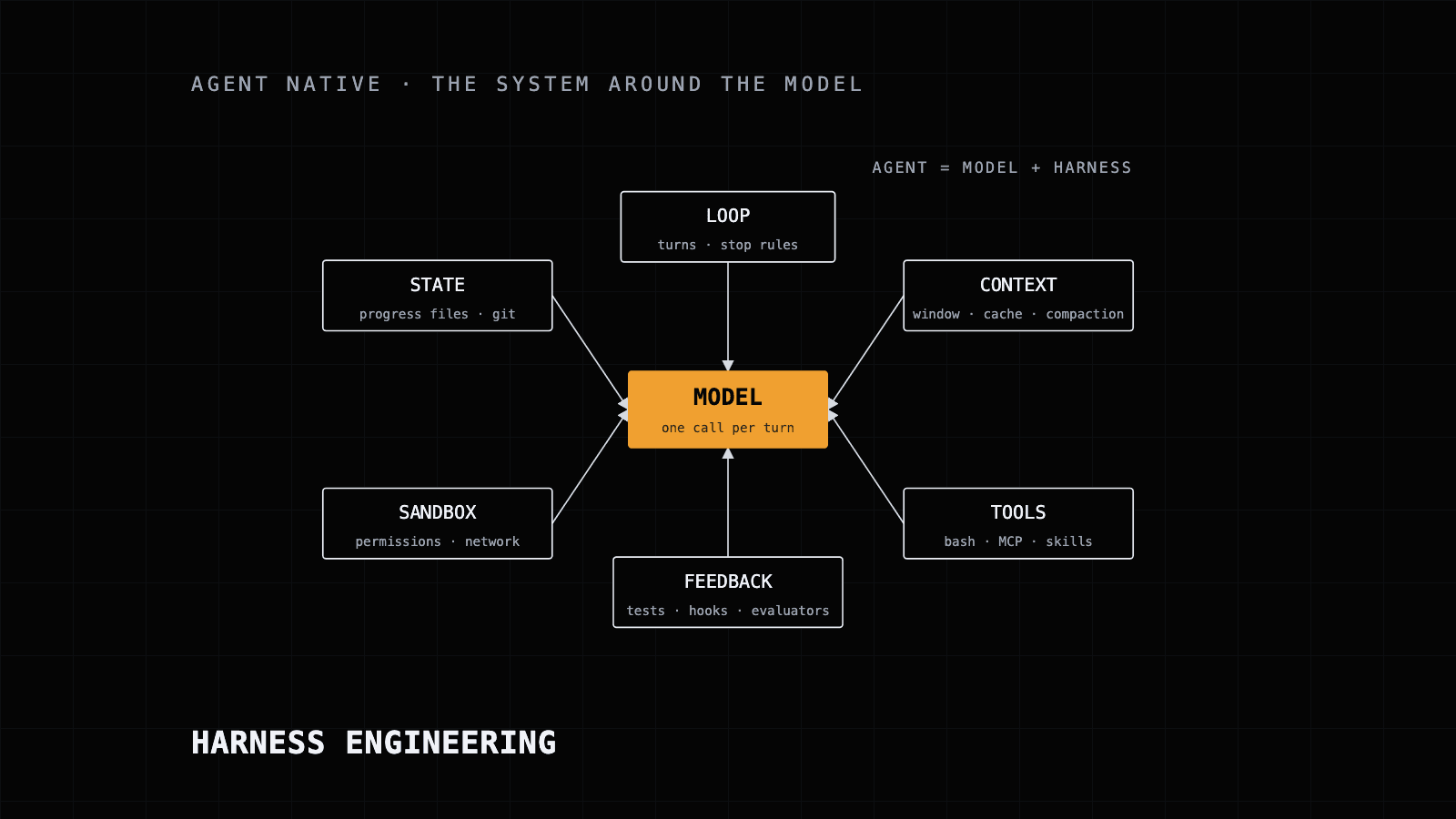
The system around the model, for AI engineers who build agents and run coding agents in production: the agent loop, context and caching, tools, feedback and verification, permissions and sandboxes, orchestration and long-running work, the repository as the harness, and how to measure a harness change
BOOK
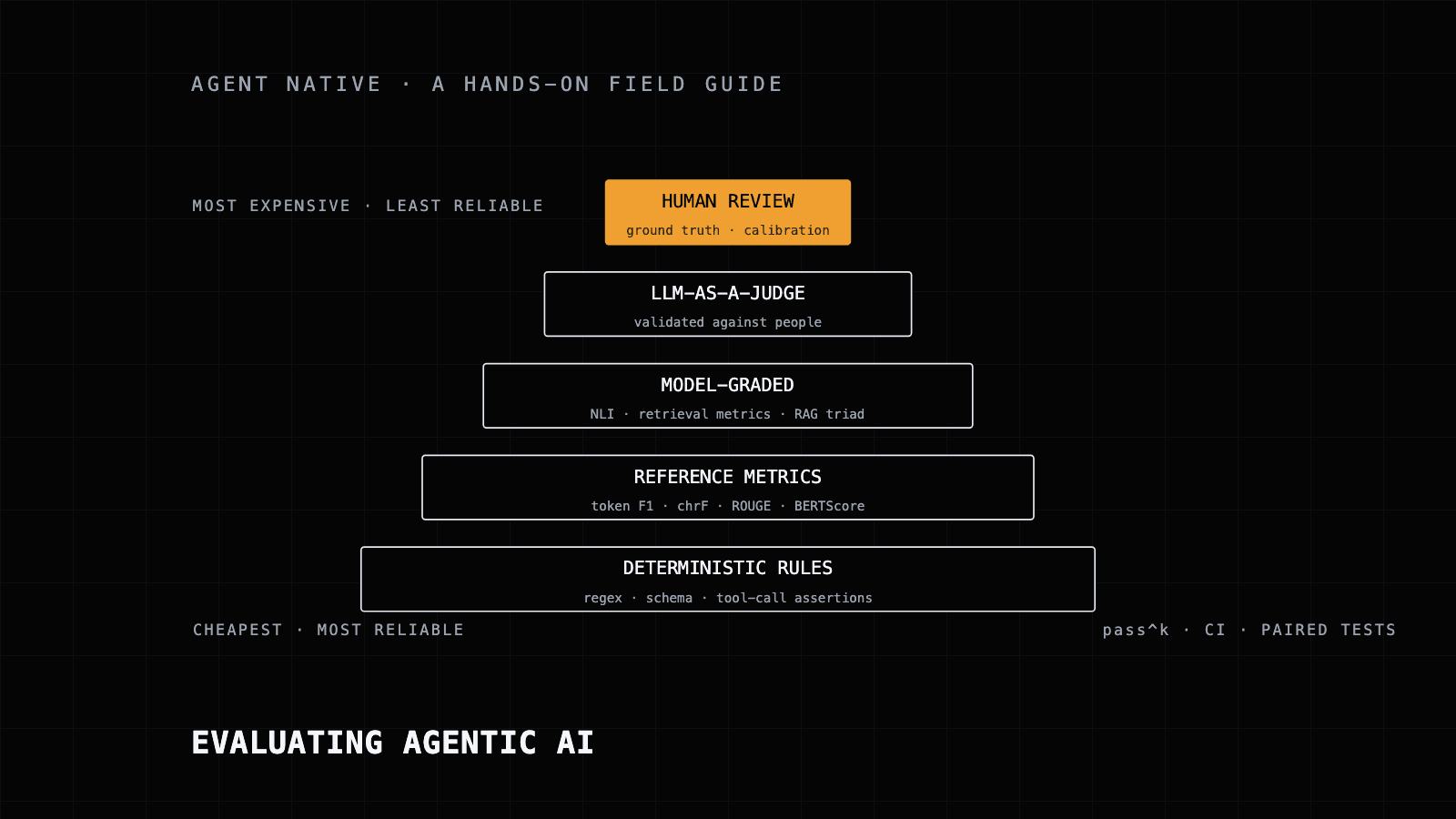
A hands-on field guide for AI engineers: from regex assertions to statistically rigorous agent evaluation - deterministic checks, reference metrics, model-graded scoring, LLM judges, trajectory evals, pass^k and confidence intervals, and the production eval loop
OPERATOR TOOL
A compact checklist to audit agent infrastructure before exposing anything publicly.
Open ChecklistOPERATOR TOOL
Blueprint for orchestration, approvals, auditability, and rollback-ready operations.
Read PrimerOPERATOR TOOL
One-page view of books, offerings, entitlements, sections, and artifact access flow.
View SystemMEMBERSHIP
Your fit for every role on the job board, and a library of implementation books updated as models and tools change.
€129 a year or €14.99 a month. Cancel anytime: you keep access until the end of the month or year you paid for.
We read 1,376 AI engineering job ads at 159 AI companies. Forward deployed roles lead, experience matters more than degrees, and evals are named more often than frameworks.
42.7% of verified supporting passages reached extraction but never reached the agent. PSA swaps search(query) for small programs over a persistent candidate pool.
EdgeAgent (ASPLOS '27) shows why local multi-agent stacks stall on Apple silicon, and how UMA-aware execution, per-agent draft budgets and suspend-and-yield reach 1.77x.
ReLiveGym replays weeks of real news, market and social streams to test long-lived agents. Its main finding is that when an agent wakes up is a harness-design choice in its own right.
A controlled study across four models and two benchmarks found that planning, tools and context management are conditional on the model. For a local agent, where the model is whatever your hardware can run, that means fitting the loop to the model instead of the model to a loop you copied.
Nine of eleven production coding harnesses ship skills and eight ship MCP. Skills won on cost, MCP kept its place where there is a boundary, and the security story behind skills is a year behind the adoption.
The harness turned from tool into platform.
A leaderboard score tells you what a model can do once on someone else's tasks. A release gate tells you whether your agent still does your task every time. They are different instruments, and most teams only own the first.
An ICML 2026 paper found automatically generated multi-agent systems consistently underperform a single agent with self-consistency, at up to ten times the cost. Anthropic still predicts agent teams. The difference between the two is whether a human designed the structure for a reason.
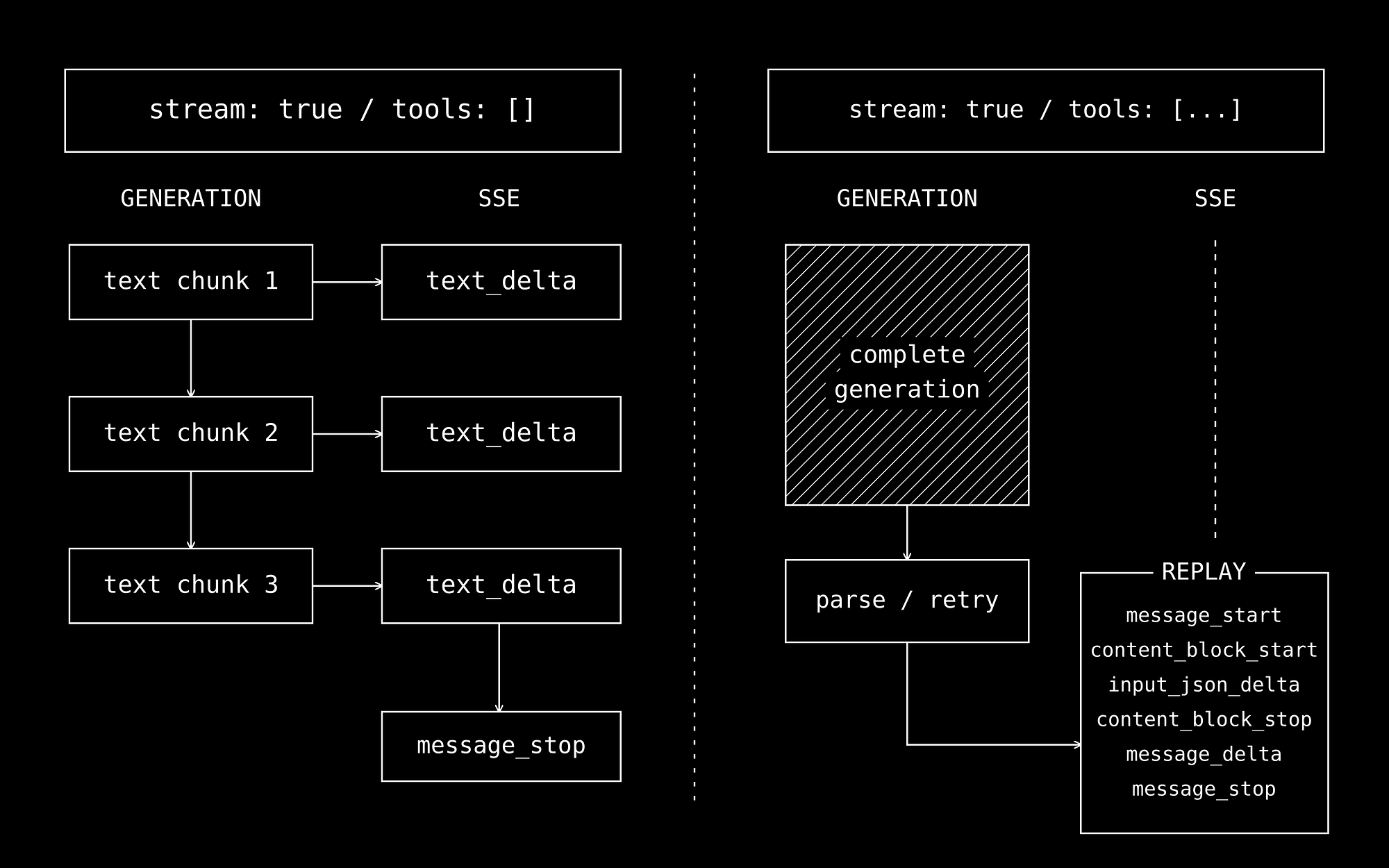
Your local model can write a correct function but still fail to create a file.
If you are building agents that touch private data, you have hit the same wall everyone hits: the frontier model lives in the cloud, the sensitive files live on the laptop, and...
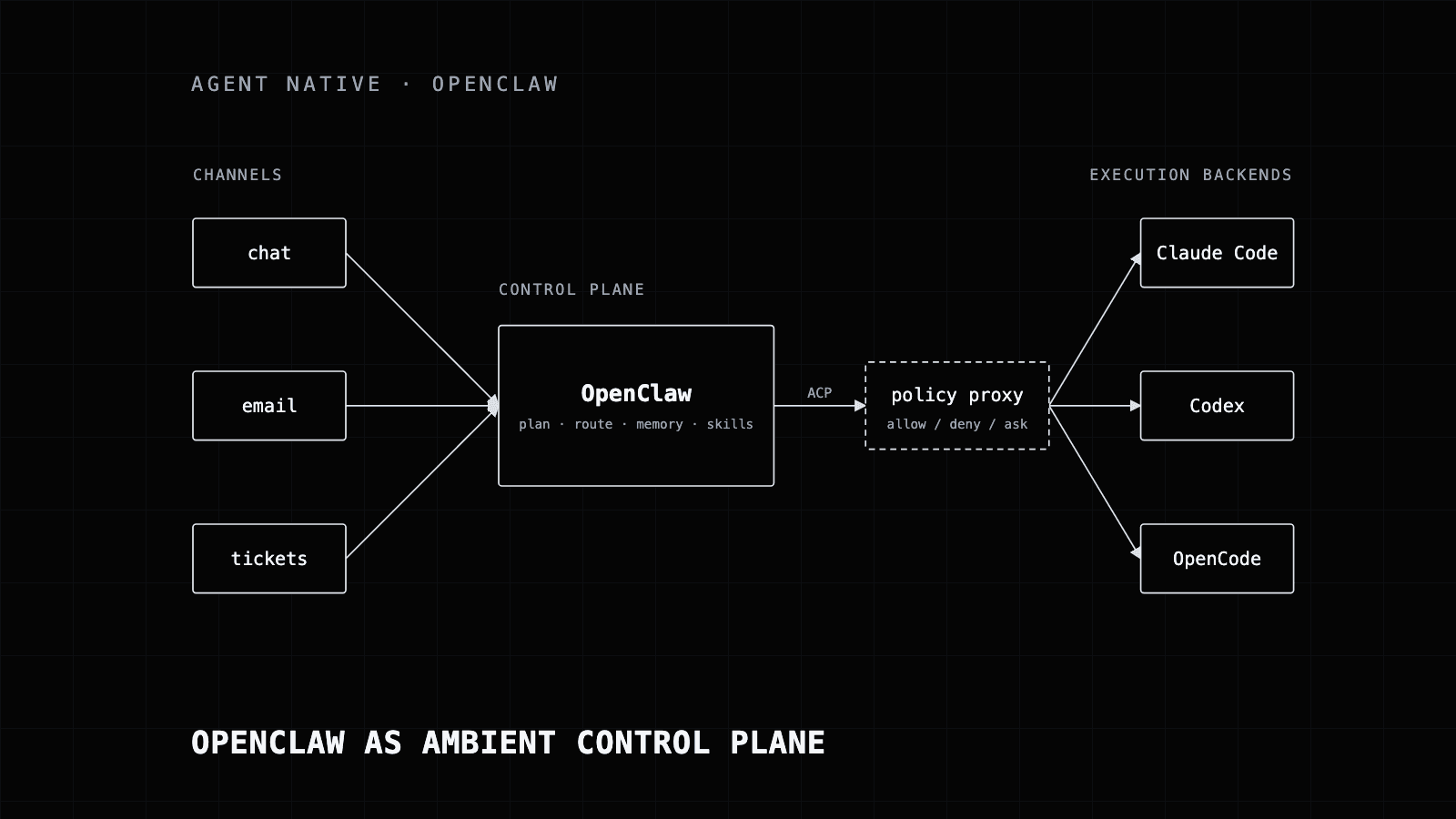
People keep comparing OpenClaw with Claude Code as if they compete. They sit in different layers. OpenClaw plans, routes and remembers; the coding harness executes. This post lays out the architecture and the cases where OpenClaw is pure overhead.
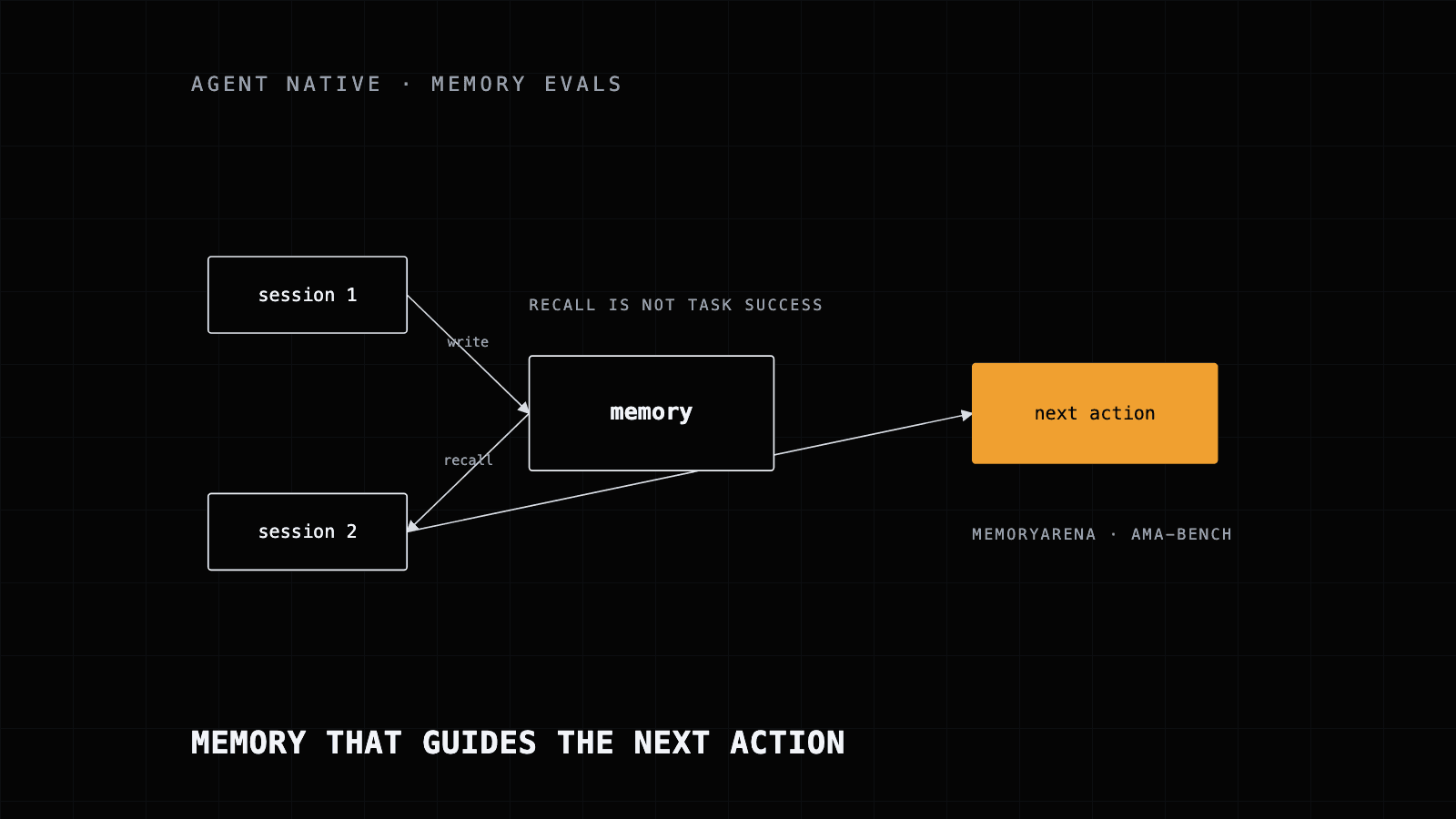
Agents that ace LoCoMo-style recall benchmarks fall apart when the task spans sessions and the memory has to guide an action. Two ICML 2026 benchmarks measure that gap. This post covers what they test and the write path that passes them.
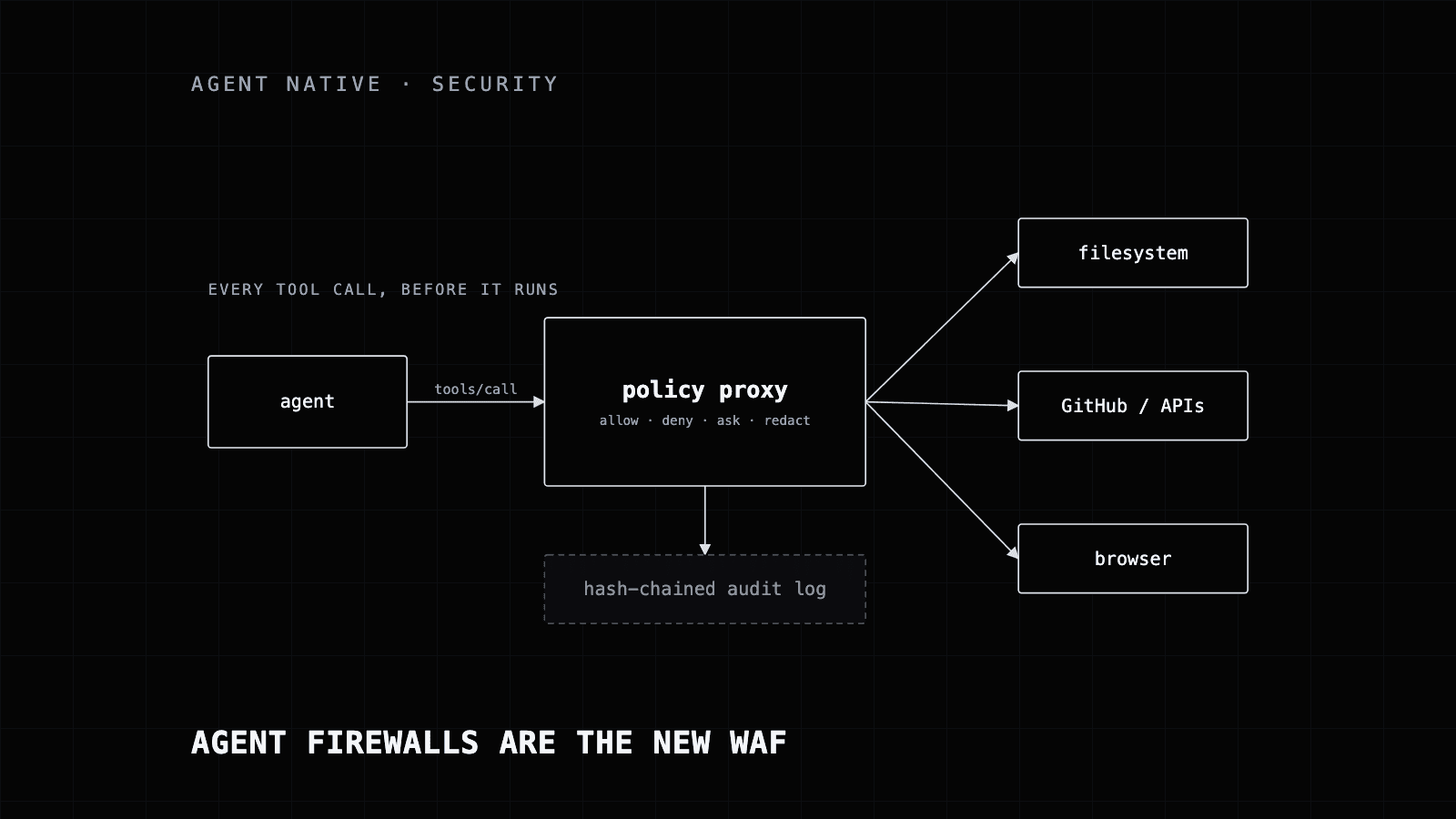
A cluster of local policy proxies appeared this year that sit between an agent and its tools and decide allow, deny or ask on every call. They are to agents what the WAF was to web apps: enforcement in front of code that cannot be trusted to validate its own inputs.
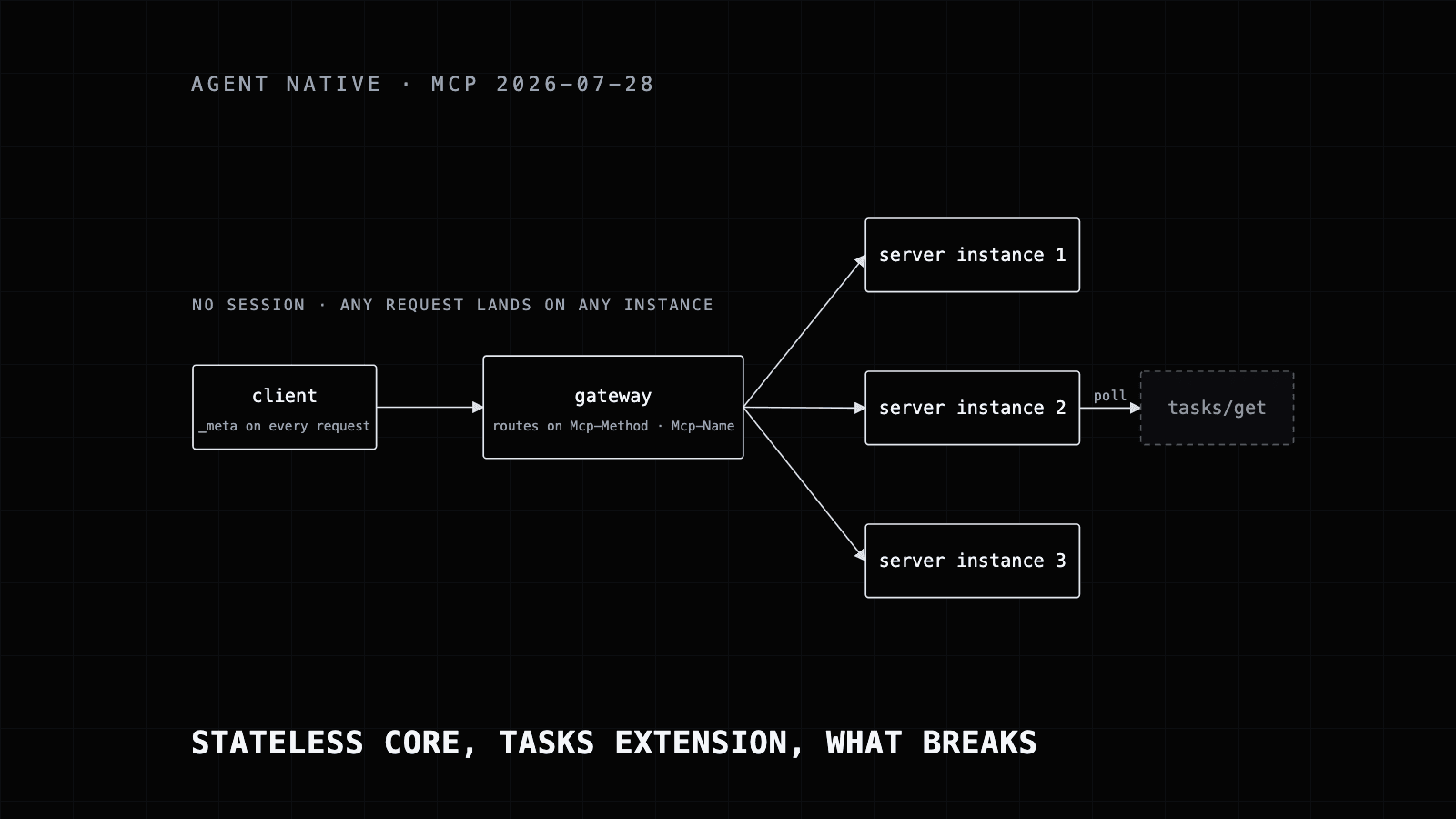
The July 2026 MCP release retired initialize and session ids. Every request now stands on its own. What that breaks in a real deployment, and the order to fix it.
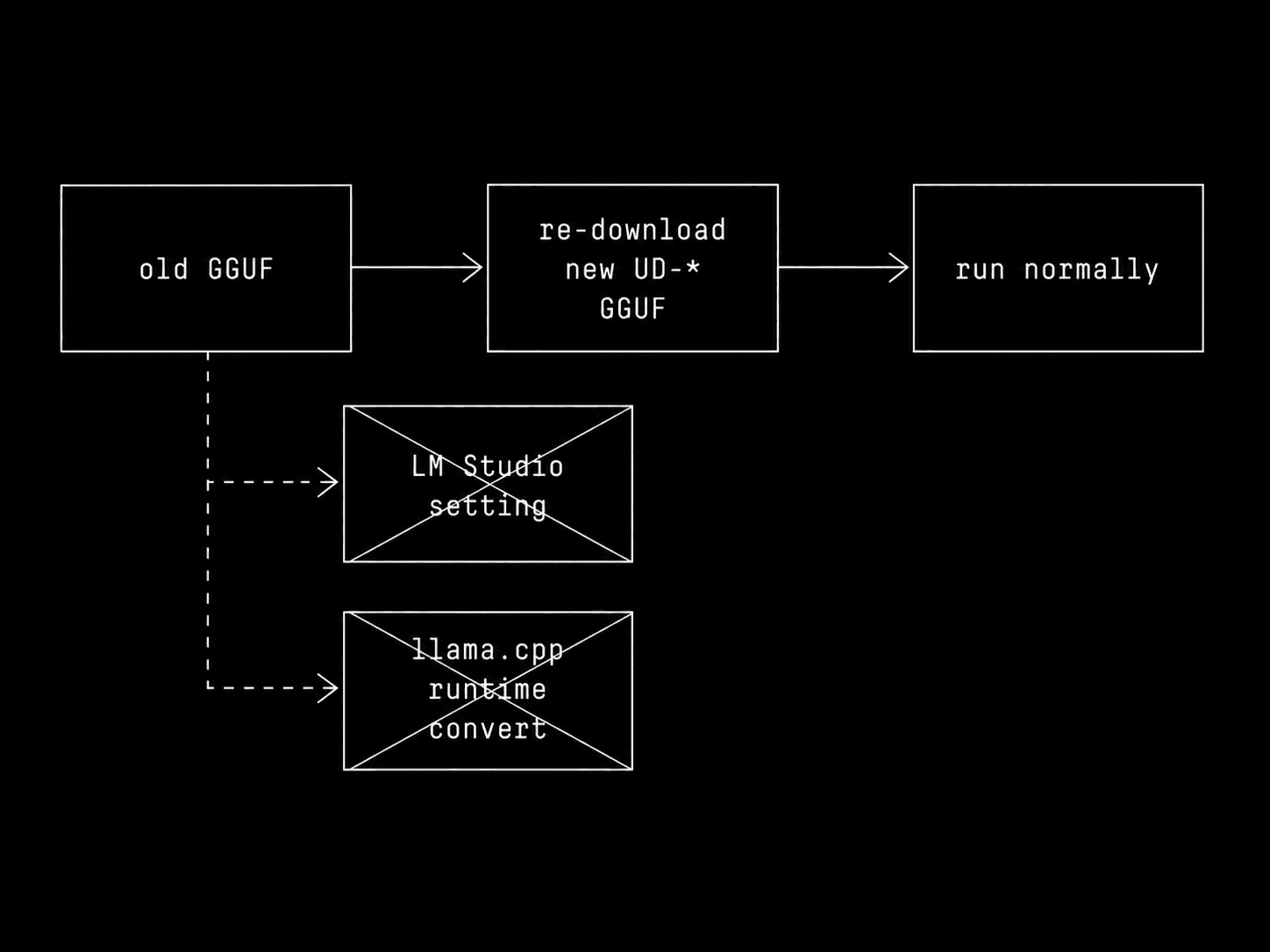
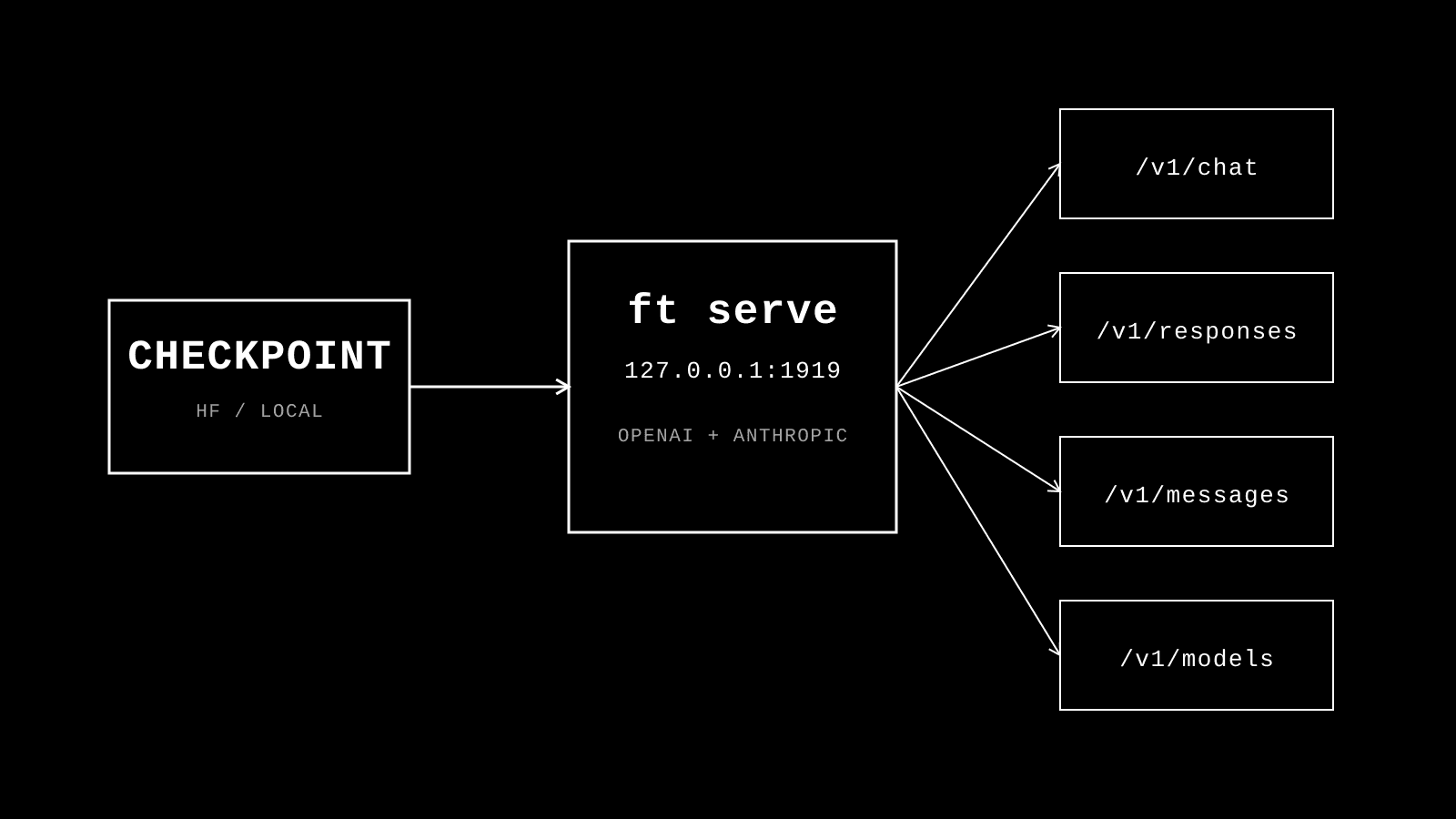
We want to briefly share a very critical update for Local LLM inference.
Until very recently, you only had two compromises.
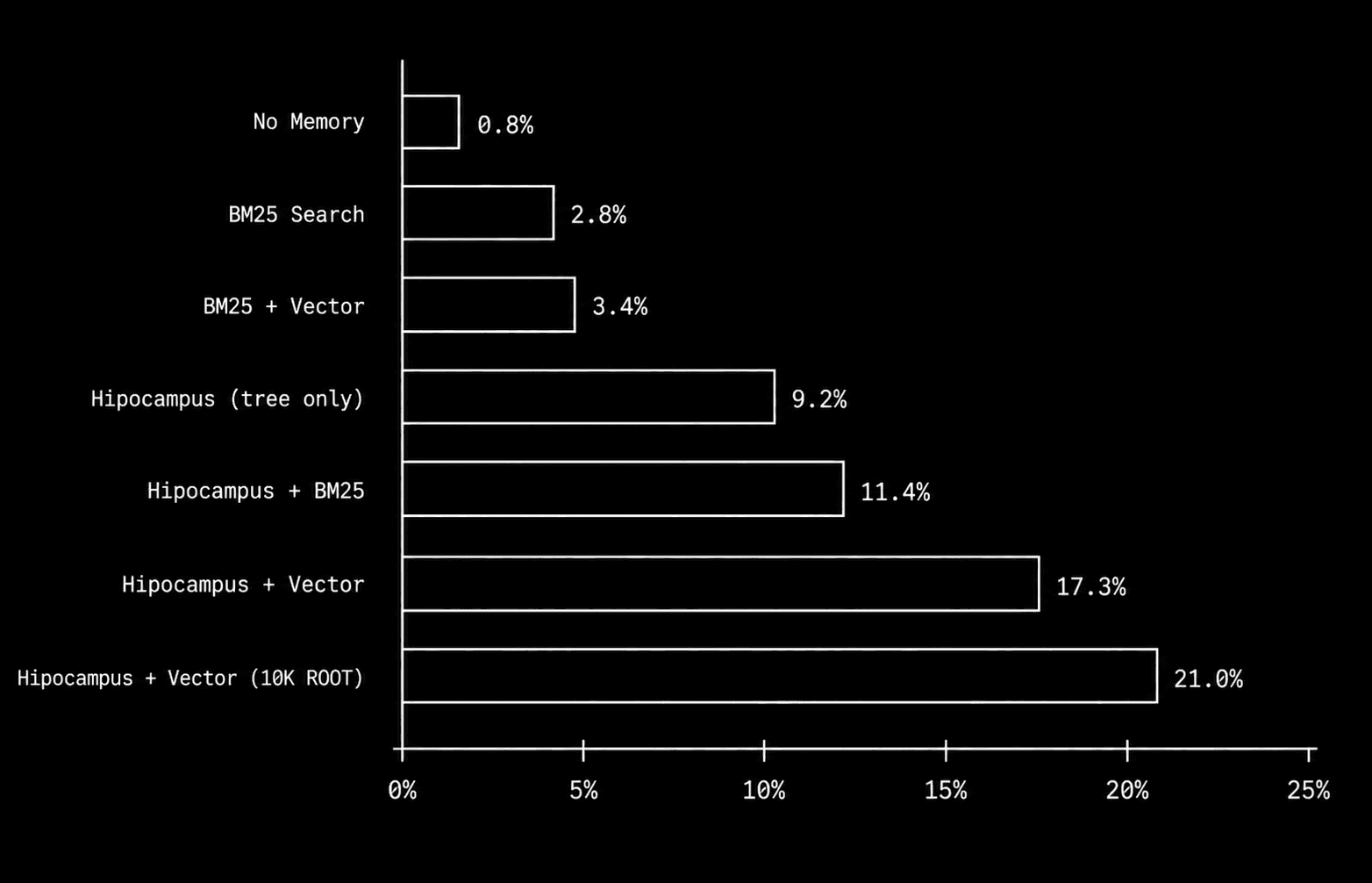
Agent memory systems start with the same assumption:
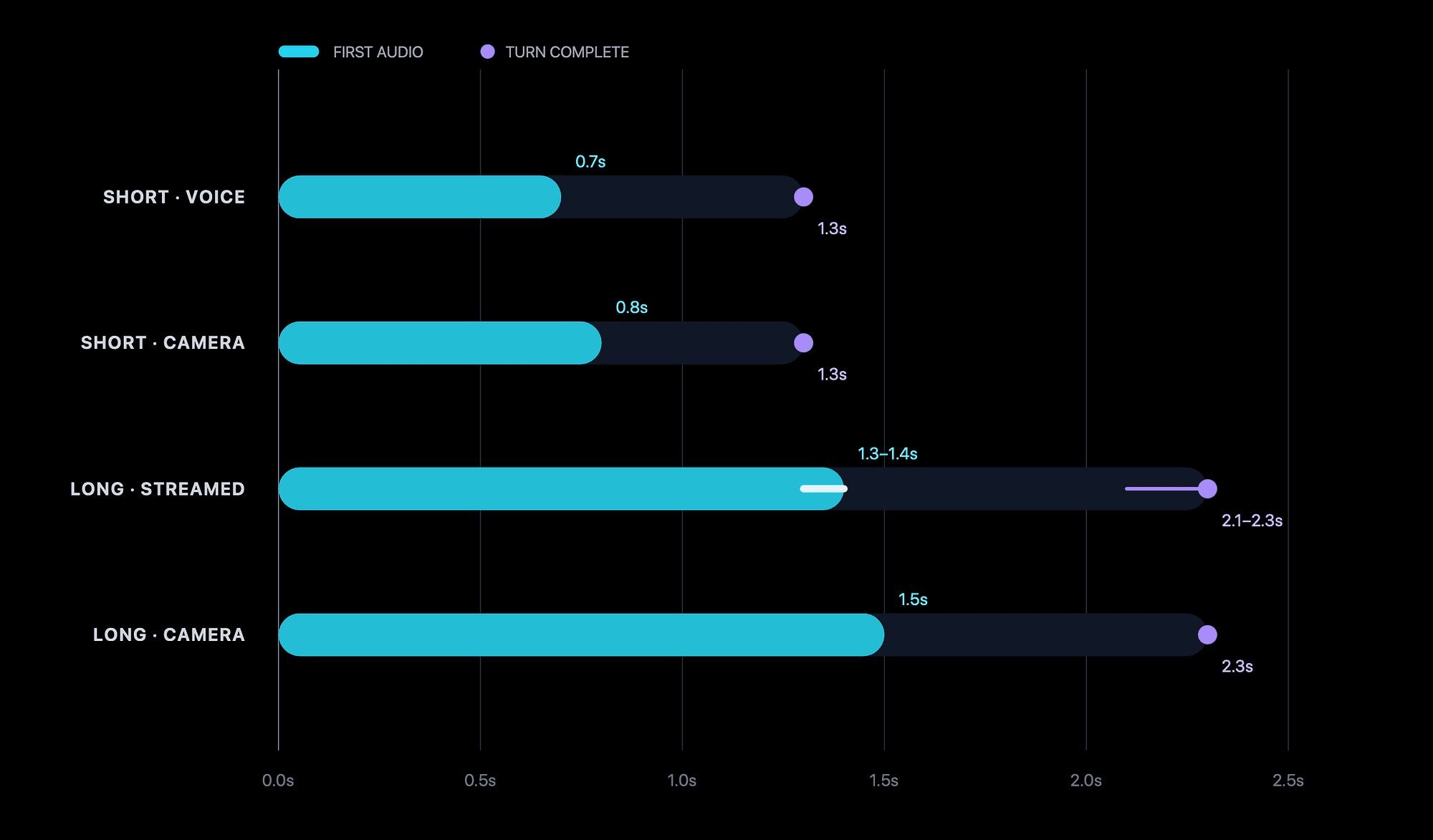
OpenAI’s GPT-Live changed the bar for voice AI in July 2026.
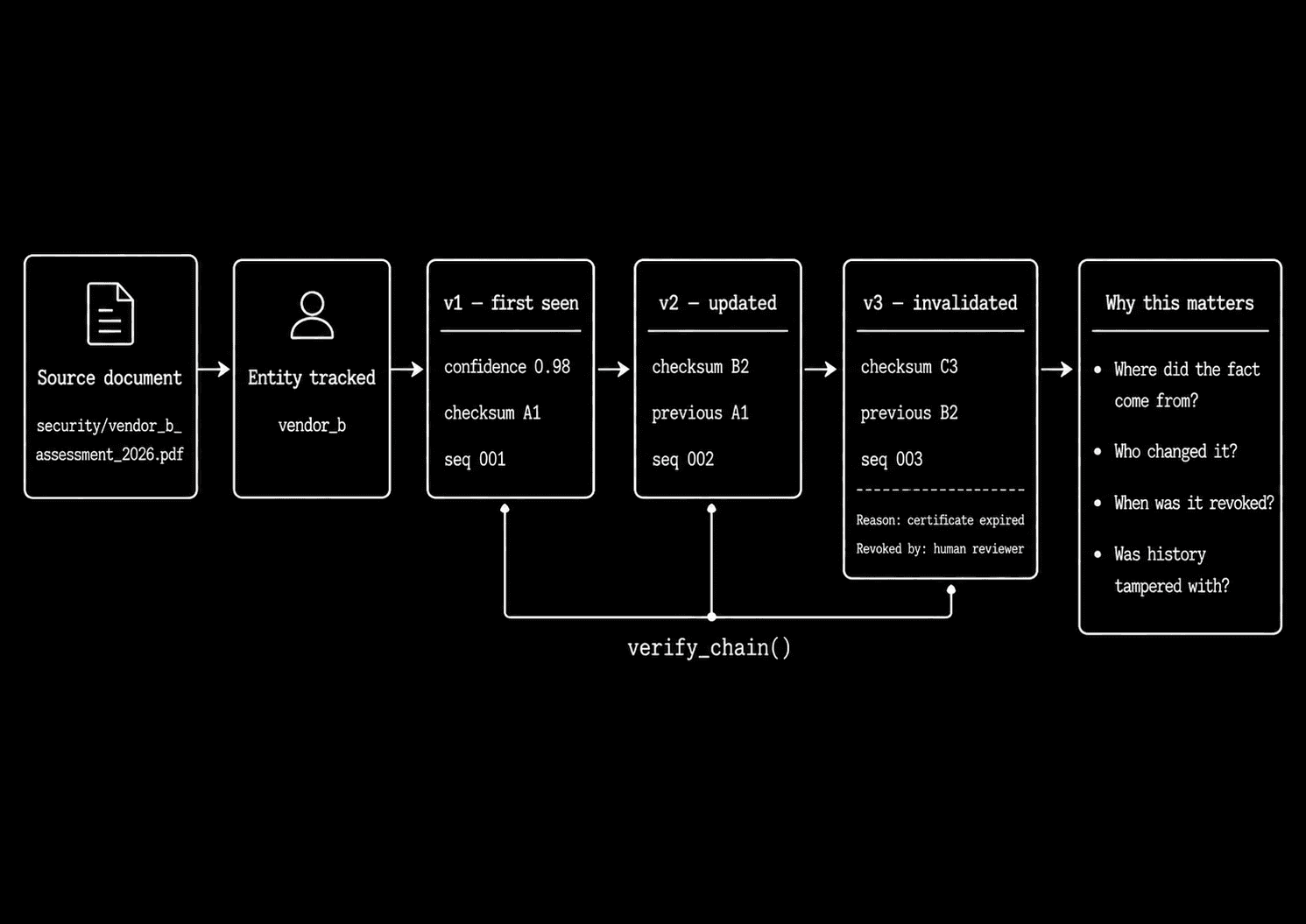
Most agent stacks can tell you what happened.
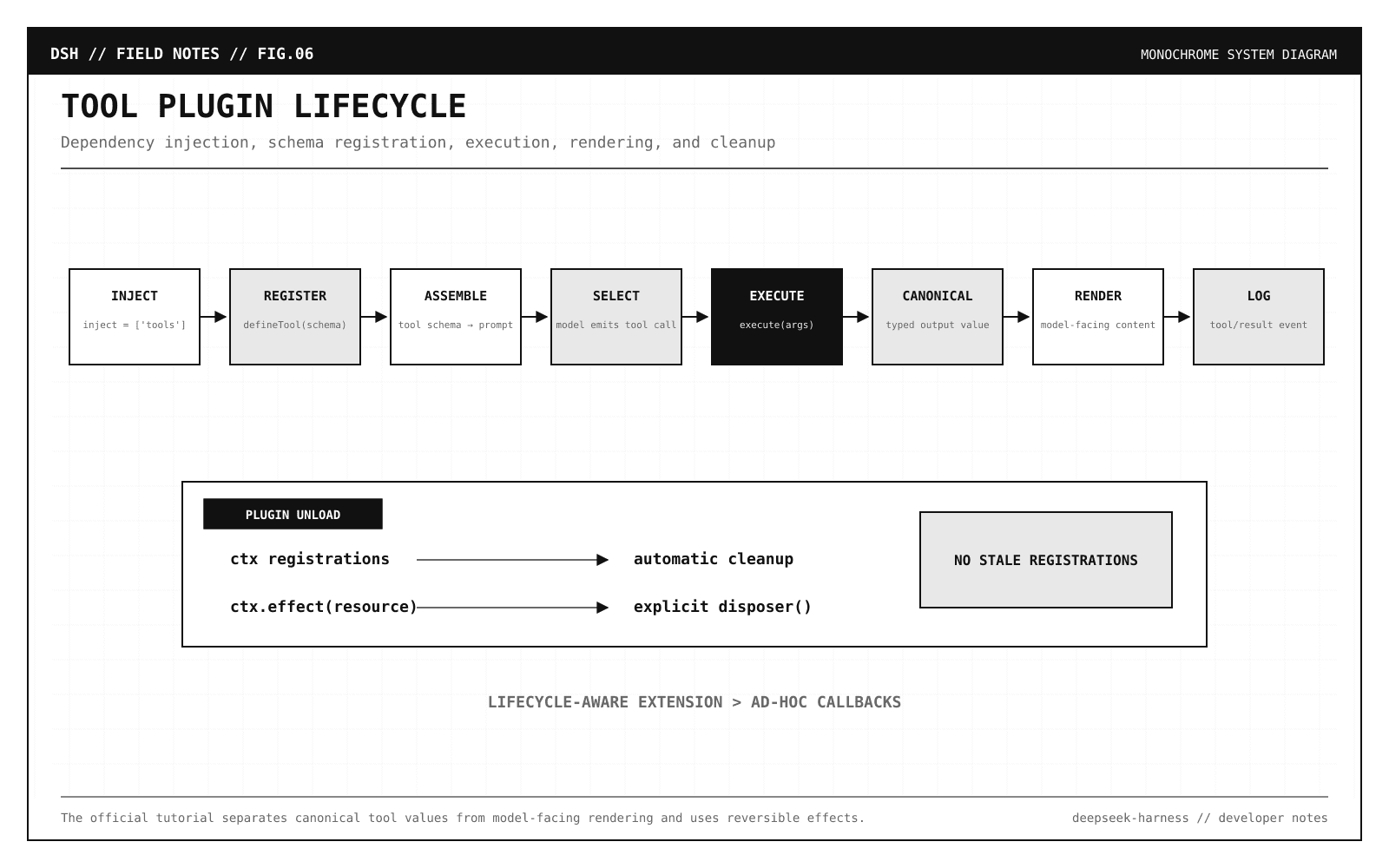
DeepSeek Harness crossed 112,000 GitHub stars and 10,000 forks.
We have spent the last two years talking about model scale, context windows, MoE routing, inference cost, and whether open models can catch closed frontier systems.
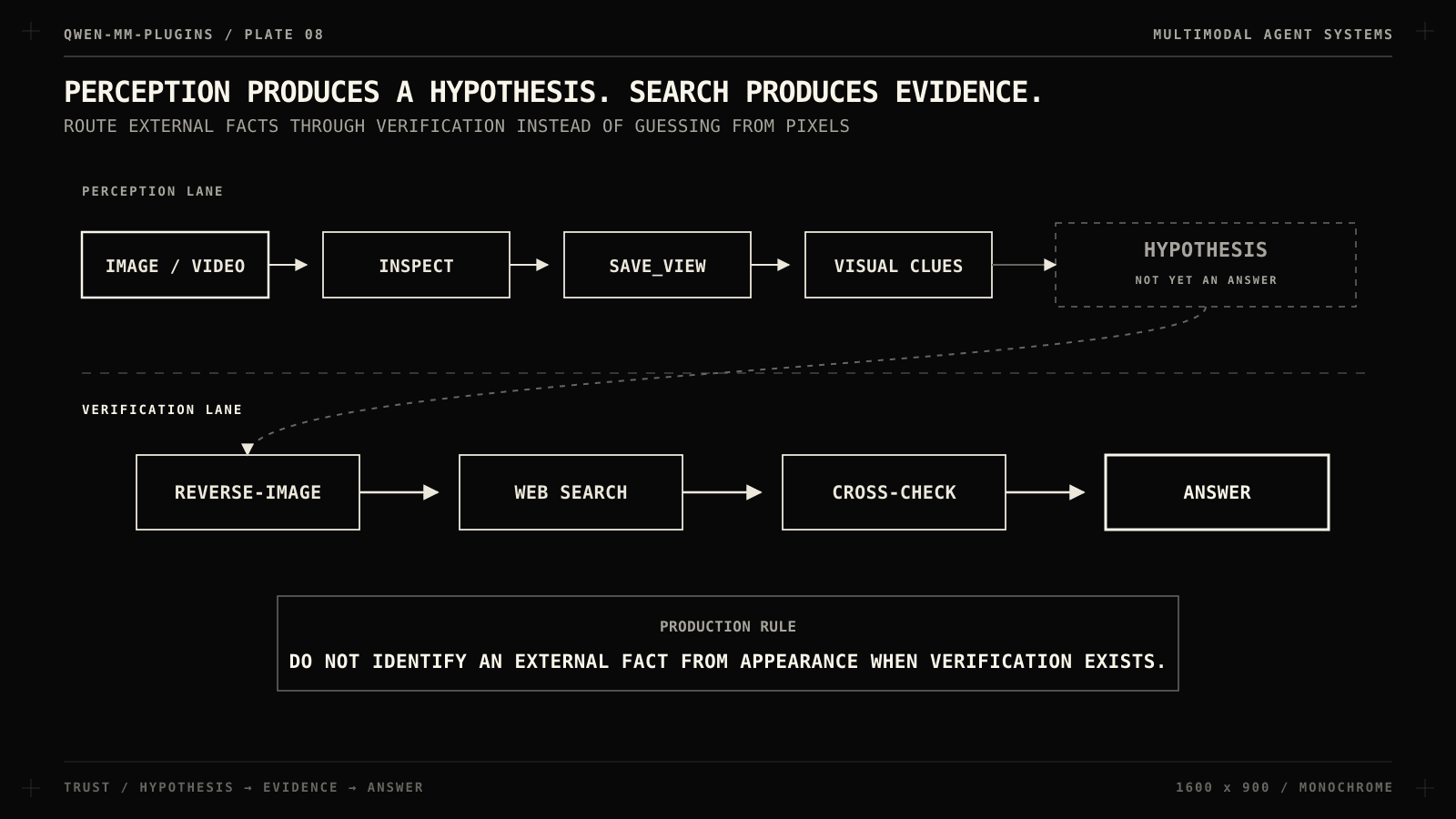
We have spent two years making models multimodal.
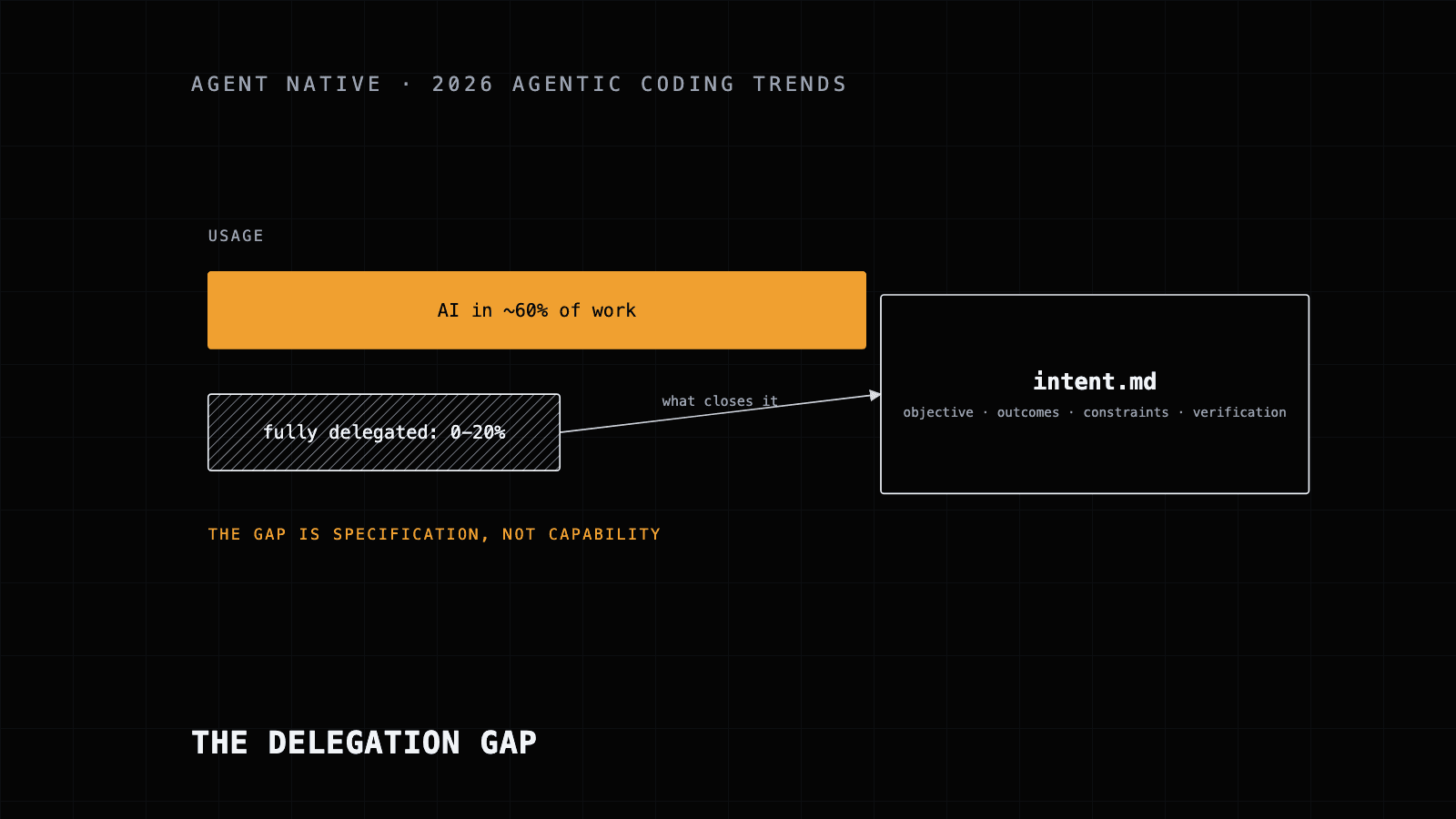
Anthropic's 2026 report says developers use AI in about 60% of their work and fully delegate 0 to 20% of tasks. The gap is a specification problem: nobody has written down what done means. An intent spec committed next to the code and verified by the harness closes it.
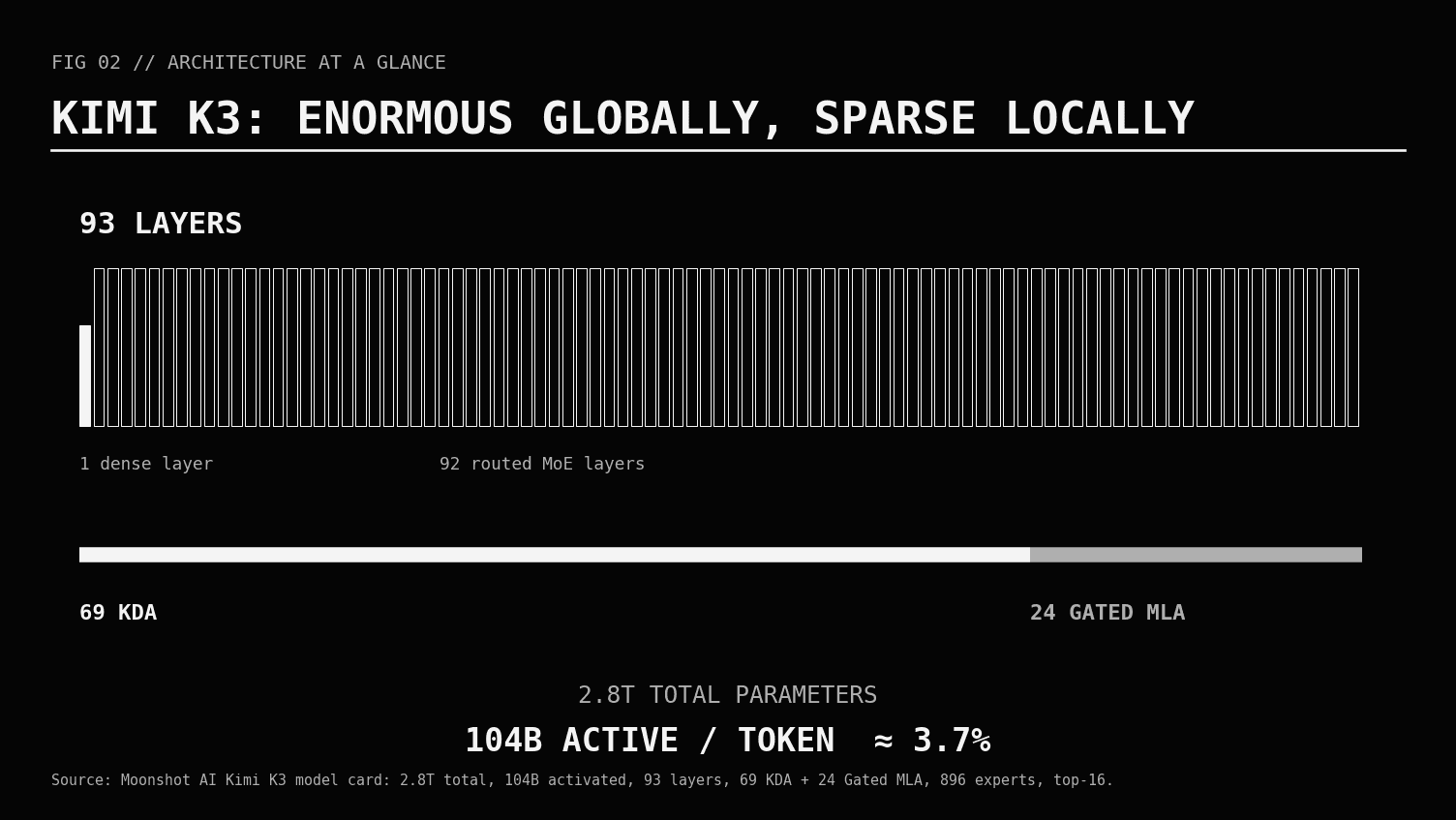
Kimi K3’s checkpoint is roughly 1.56 TB on disk: 93 layers, 896 routed experts per MoE layer, about 104B activated parameters per token, and a native context window near 1M tokens.
Most teams optimizing Mixture-of-Experts training still think in components but Cursor took a different route.
Kimi K3’s hybrid linear attention can survive frontier-scale training and deliver strong long-horizon behavior while materially reducing the cache growth that makes persistent a...
In this article, we will take an evaluation model designed for prompt -> response systems and stretch it over software that reasons, calls tools, mutates state, writes memory, r...
Qwen3.8–27B will run locally on systems with roughly 17GB of VRAM.
Once an agentic product moves beyond a hosted API demo, you hit a bottleneck that dominates your agentic loop: the local neural components around the agent are often doing too m...
Supervised web automation works: hybrid agents clear 89% on WebVoyager. Open desktop automation does not: leading agents sit near 12% on OSWorld against 72% for humans. Where the line sits, and the hybrid perception and approval gate that let you ship on the web side of it.
Six of eleven production coding harnesses speak the Agent Client Protocol, OpenHands hosts Claude Code, Codex and Gemini CLI as interchangeable backends, and Databricks put a meta-harness above all of them. What to build when the agent is a swappable component.
744-billion-parameter model should not run on a 25 GB consumer machine.
Your agent stack is becoming a process-management problem.
A lot of multi-agent setups still look like this:
Most developers are using Fable 5 completely wrong.
Understanding a codebase for agents is a search problem pretending to be reasoning.
Making a model better at reasoning can make it worse at one of the most important production behaviors for agents: knowing when not to call a tool.
Almost every performance problem in deep learning is a memory problem because GPU can do math far faster than it can fetch the numbers to do math on.
When developers say “model X is dumb,” they often mean:
The mental models behind modern GPUs — why they are throughput machines, how SIMT and warps execute, what lives inside a streaming multiprocessor, and how occupancy and numeric precision decide performance
An agent loop is a feedback controller, and the sensor, not the orchestration, decides whether it's cheap or ruinous
A developer-first guide to which consumer hardware can run parts of the agent loop locally with good performance in 2026
How context compressors actually work, where they save tokens, and where they silently break your agent's answers
Ten AutoResearch-style agents and frameworks that improve systems against measurable goals using a propose, evaluate, keep-or-revert loop
How Google Research's ReasoningBank turns successful and failed agent trajectories into reusable reasoning strategies, and what to steal for your own agent stack
How Late, a deterministic Go-based coding-agent orchestrator, makes small local LLMs viable for serious agentic software development
48GB VRAM is the tier where local agentic AI starts to look like real software infrastructure, with room for quality quants, useful context, and actual tool use
A workload-first guide to picking local AI hardware for agentic coding, mapping prefill, decode, TTFT, and concurrency to the right machine
A layer-by-layer stack for agentic products, from frameworks and model routing to memory, ingestion, tools, durable execution, and observability
Qwen3.7 Max Preview sits in the frontier tier on Artificial Analysis and Arena, and its agentic profile makes it a serious candidate for production developer workflows
OpenWolf adds a project index, persistent memory, and hook-based file controls so Claude Code stops re-reading the same files and wasting tokens.
A practical walkthrough for running Gemma 4 multimodal LoRA fine-tuning on Apple Silicon without renting datacenter GPUs.
Agent browser runtimes need deterministic state, semantic actions, and warm sessions, not just human testing abstractions with an LLM taped on top.
The most useful mental model for serious agentic systems is event-driven distributed architecture with clear async boundaries, retries, and routing semantics.
KubeClaw frames OpenClaw the right way: not as a prompt loop, but as an operational system with secure defaults, observability, and predictable upgrades.
TurboQuant changes the economics of local agents by collapsing KV-cache costs enough to make multi-agent systems practical on a single workstation.
Qwen 3.5's MoE architecture activates only 3B of 35B parameters per token -- running at 100+ tok/s on a single consumer GPU while outperforming its 235B predecessor.
An in-process vector database built on Alibaba's Proxima engine that doubles the previous VectorDBBench leader at 8,000+ QPS.
GSD (“Get Shit Done”) aims to solve context rot, the quality degradation as the model’s context window fills.
A practical guide to fixing OpenClaw memory failures and choosing the right memory substrate as your agent system scales.
Most product bugs show up when a simple feature lands on a box with a 64MB RAM budget and a watchdog timer.
Always-on agents have unbounded context growth problem.
Whether you think it’s hype or not, people are already trying to run fully autonomous companies on OpenClaw.
Before any Claude fans boo me: I’m not claiming “M2.5 is Opus” but the pricing + throughput + agent-oriented training forces a new engineering question:
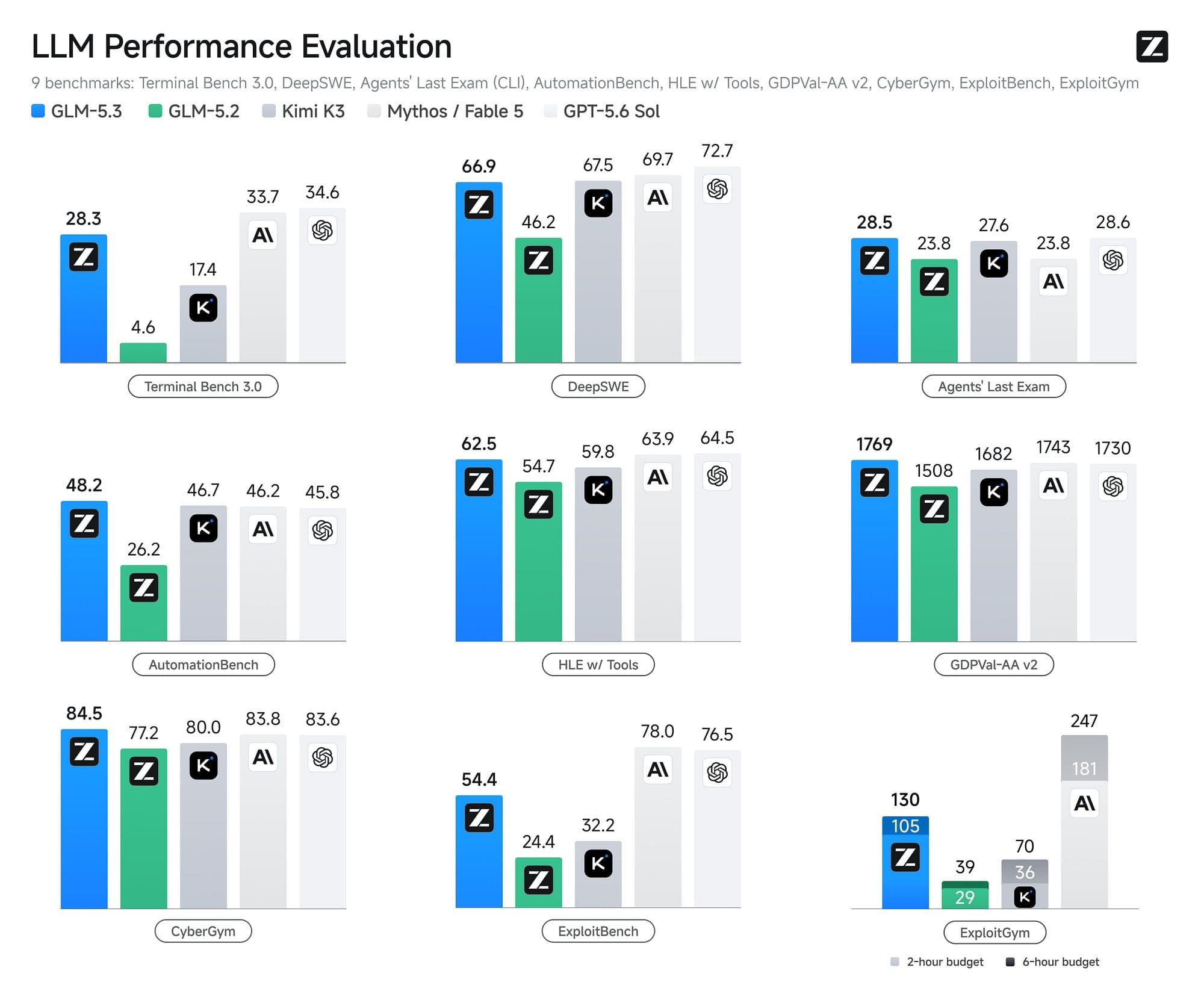
One of the most interesting parts of the GLM-5 launch is that you can run an open-weights model inside a proprietary agentic coding workflow and get something close to frontier-...
Imagine synthesizing human-like research trajectories exceeding 100 turns entirely offline, no reliance on search or scrape APIs, no rate limits, and crucially, no nondeterminism.
We risk resurrecting the original sin of computing, a flaw that has enabled remote code execution exploits for decades.
How well fine-tuning performs still depends on three factors: model size, hardware capability, and the framework you choose.
If you’ve built an LLM agent that does anything non-trivial, you’ve hit this moment:
Last month I opened my credit‑card statement and almost threw up. Anthropic charged me $4,660.87, just for Claude.
Just after 9:45 a.m. Pacific on 5 February 2026, Anthropic unveiled Claude Opus 4.6, and 20 minutes later, OpenAI counter‑punched with GPT‑5.3‑Codex.
If you want to research, build, and launch your products fast, this is the solo founder stack for AI-native apps, zero-to-launch weekends, and practically infinite leverage.
Benchmarks are the LinkedIn of LLMs. Every model looks unstoppable.
If you’re building an AI product as a solo founder or a small team, you don’t need one “best” model.
GLM-4.7-Flash is one of those rare open-weights releases that changes what “local-first” can realistically mean for coding + agentic workflows.
About Agent Native
Read
In-depth articles, guides and free developer tools on building agentic AI. Always free, no account needed.
Browse articlesBuild
Implementation books with production code: auth, billing, tenant isolation, durable jobs and observability for AI products.
See the booksGet hired
Open roles at AI companies, read from each company's own careers page and free to browse. Members upload a CV and see their fit for every role.
Browse jobsAn account lets you save jobs and open the books and code you bought; members also see their fit for each role. You can sign in with a link sent to your email, with Google, or with LinkedIn. From Google or LinkedIn we receive only your name, email address and profile picture, and use them only to sign you in. The membership unlocks everything. Read our Privacy Policy and Terms of Service.